TL;DR
- Choose the form that serves the purpose.
- Assess whether the material supports sustained reading.
- A smaller resource can be a responsible first expression of a larger message.
In this article
- 01Ask what the person needs to do with the teaching
- 02Look for an argument that can sustain a book
- 03Consider a smaller first expression
- 04Distinguish faithfulness from the appearance of productivity
- 05Ask what you can carry through responsibly
- 06Choose a next step that produces useful evidence
- 07Make the decision without diminishing the message
- 08Questions about choosing a format
- 09Talk through the message you are carrying
Because I help people turn their teaching into books, you might expect my answer to every substantial message to be, “You should write a book.”
That would be a poor way to serve you.
A book is a valuable form of stewardship when the message needs sustained explanation and a reader can benefit from returning to it. Some messages are better served first through a conversation, a workshop, a short guide or the faithful work of teaching a particular group.
The decision should begin with the people the message is meant to serve and the kind of help they need.
In brief
- Choose the form that serves the purpose.
- Assess whether the material supports sustained reading.
- A smaller resource can be a responsible first expression of a larger message.
01Ask what the person needs to do with the teaching
A reader who needs to understand a connected argument may benefit from a book. They can move through it at their own pace, revisit a difficult section and reflect without the constraints of a live session.
Someone learning a practical skill may need demonstration, supervised practice or feedback. A book can support that work without replacing the experience through which the skill develops.
A person facing a situation that requires individual pastoral care may need a conversation. Turning the issue into a publication does not remove the need for attention to the particular person.
The medium should follow the work. We should be willing to choose the form that helps, even when another form feels more impressive.
02Look for an argument that can sustain a book
A book needs more than a strong opening conviction. It needs enough explanation, development and application to carry the reader through a meaningful whole.
Ask what becomes clearer as the pages progress. Does each part contribute? Are there important questions that deserve space? Can you explain the relationship between the chapters?
A message may be powerful because it makes one necessary point at the right moment. Expanding that point into a long manuscript can weaken it if the additional pages repeat rather than develop the teaching.
Our article on how much sermon material a book needs approaches this question through substance rather than a required number of recordings.
03Consider a smaller first expression
A short guide may help you explain a focused idea clearly. A workshop may reveal where people become confused and which questions need fuller treatment. A discussion resource may help a group practise what they have heard.
These are not automatically inferior to a full-length book. They may be the appropriate expression of the message at this stage.
Consider an illustrative framework for preparing volunteer leaders. You could begin with a practical workshop and a concise participant guide. Questions arising from that work may later help you identify the argument of a more substantial book.
That is a possible development path, not a claim that every book must be tested through a workshop first.
04Distinguish faithfulness from the appearance of productivity
Christian service cannot be measured only by the number of products we release.
A carefully prepared resource can extend the usefulness of teaching, but publishing is not proof that the message has been received or lived. The people we serve remain more important than the appearance of a growing catalogue.
Likewise, the absence of a book is not by itself evidence of disobedience. Someone may be faithfully carrying responsibilities that require their attention now. Another person may be avoiding work they could reasonably begin. Those situations require different counsel.
We need enough honesty to recognise the difference without turning a commercial offer into a test of spiritual seriousness.
05Ask what you can carry through responsibly
A book creates responsibilities after the first draft. The manuscript needs review, its claims need checking and its presentation needs care. You will also need to decide how it reaches the people it is intended to help.
Consider those tasks alongside your existing commitments. A smaller, well-scoped project may be more useful than a large manuscript that remains unfinished because the work was never realistically planned.
This does not mean you must do every task personally. Appropriate support can make the project possible. It does mean you should understand what you are commissioning and retain responsibility for what you approve.
06Choose a next step that produces useful evidence
If you are unsure about the form, choose a small piece of work that clarifies the decision.
Draft one substantial section. Teach a focused session. Prepare a short guide. Ask intended readers which part they understand and where they need more help.
You are looking for evidence about the message's development and usefulness. You do not need to manufacture certainty about a full publishing plan before taking any action.
A Book Brief can also help you assess a possible book without pretending that the assessment commits you to publishing it.
07Make the decision without diminishing the message
A message does not become less valuable because its first expression is modest. Nor does choosing a book require claiming that every reader will be transformed or that publication will generate income.
The useful question is whether this form gives the teaching the space, clarity and accessibility it needs.
When the answer is yes, build the book carefully. When the answer is not yet, choose the work that makes the next decision clearer. There is dignity in both.
Key takeaways: Let the purpose guide the format. Assess the substance honestly. Choose a project you can develop and review responsibly.
08Questions about choosing a format
Should a sermon always become a book?
No. Some sermons contribute to a book; others are most useful in their original context or as shorter resources.
Can a workshop lead to a book later?
Yes. It may help develop the explanation and reveal reader questions, but that is one possible route rather than a requirement.
Does choosing a short resource limit the message's impact?
Length alone cannot determine usefulness. A focused resource can serve a specific need well.
09Talk through the message you are carrying
If you are deciding between a book, a workshop or a shorter resource, email me with the message, the people you want to serve and the material you already have.
We can begin with the work that fits your situation, rather than assuming the largest possible project is the wisest next step.
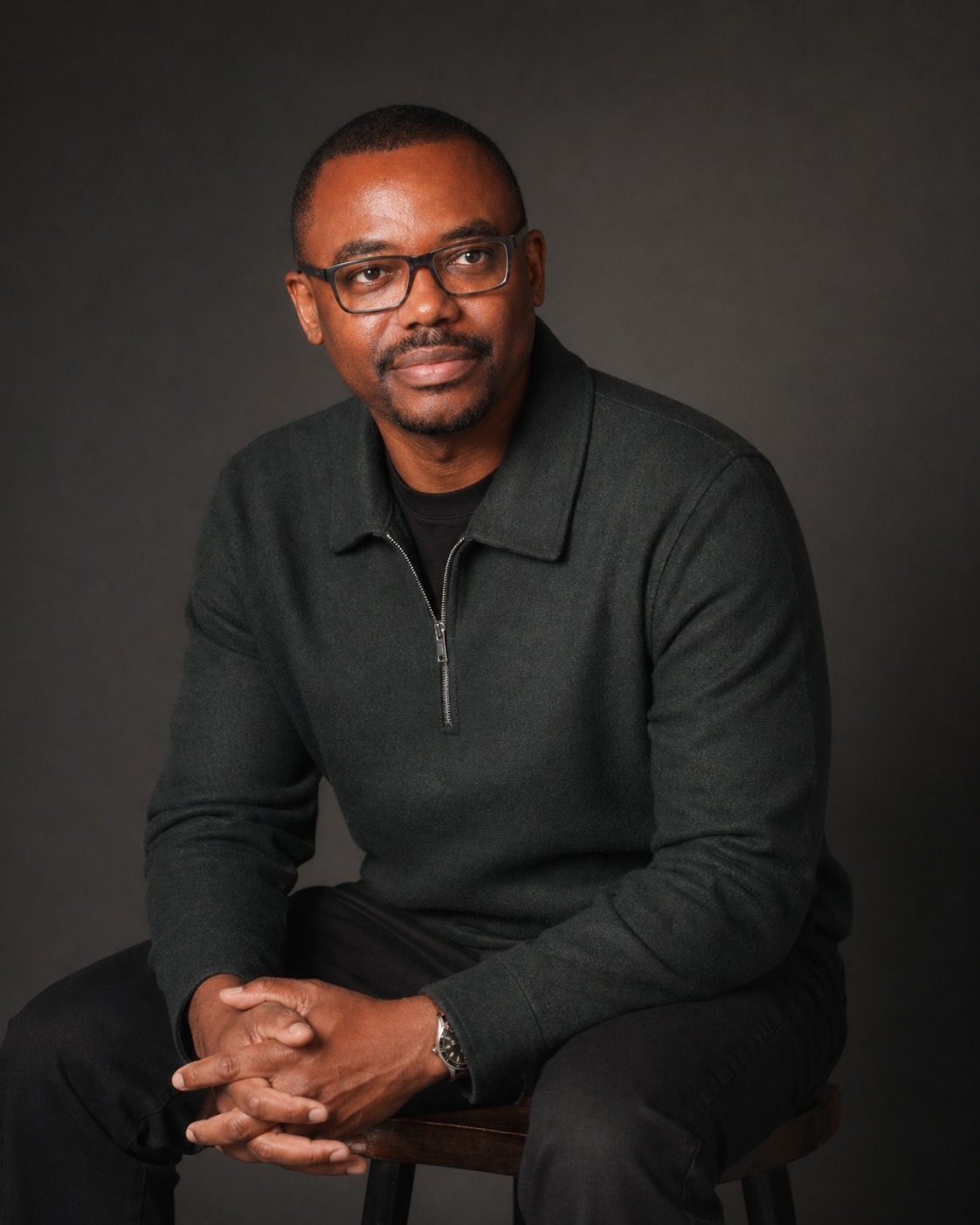
Dr Uche Okere
Dr Uche Okere is a pastor, university academic, coach and founder of Kingdom Builders AI Studio. He helps pastors, authors, speakers and faith-driven builders convert spiritual capital into visible Kingdom impact through message architecture, AI tools, workshops and practical implementation.
Explore the Studio