In this article
- 01Count distinct ideas before you count sermons
- 02What makes existing material enough?
- 03A simple way to audit your sermon material
- 04Use word counts to plan the work, not to prove readiness
- 05What to do when you have one strong sermon
- 06What to do when you have years of sermons
- 07Key takeaways
- 08FAQ
- 09Bring the material you already have
How many sermons do you need to write a book? There is no fixed number. One substantial message can supply the central argument for a short book, while a series may contain enough distinct teaching for a longer manuscript. What matters is how much useful, connected material remains when you remove repetition and ask what the reader still needs.
My first book grew from a sermon called "Dynamics of Personal Change". That experience matters to this question because it reminds me that the starting point can be smaller than people imagine. A single message can carry a conviction that deserves fuller explanation. Equally, a large archive can contain several different books rather than one manuscript waiting to be assembled.
If you have been postponing your book until you have preached another series, I would encourage you to examine what you already have before adding to it. You may need more material. You may also need to make better decisions about the material that is already there.
01Count distinct ideas before you count sermons
A sermon is a unit of delivery. It tells you what was preached on a particular occasion. A chapter has a different responsibility: it needs to move the reader through a meaningful part of the book's argument. The relationship between them can take several forms.
One sermon may contain an opening conviction, a biblical explanation and an extended application that belong in different chapters. Two sermons may develop the same idea from different passages and work best together. Another message may have served your congregation beautifully at a particular moment but contribute very little to the book you are now trying to write.
This is why I would be careful about deciding that eight sermons must become eight chapters. That arrangement might work, but it should emerge from the material and the reader's needs. The preaching calendar alone cannot tell you the best order for a book.
Suppose you have six messages on forgiveness. Four may return to the need to forgive, using different texts and illustrations. The remaining two may address reconciliation and rebuilding trust. You have six recordings, but you may have only three developed areas of teaching. A reader may still need help understanding what forgiveness means when the other person refuses responsibility. Counting files will not reveal that gap; examining the argument will.
02What makes existing material enough?
I would begin with a modest definition of enough: you have sufficient substance to develop the particular book you have promised, with a manageable and identifiable amount of further work.
That definition allows you to begin before everything is complete, while protecting you from the assumption that an enthusiastic response to a message proves the manuscript is ready. A congregation can respond to a moment that a reader, encountering the words months later, will need you to explain more carefully.
Look for a clear central question, several genuinely different contributions to answering it, and practical application that goes beyond repeating the main point. You also need to know where your argument rests on Scripture, where you are drawing on your own experience, and where a claim needs further investigation.
The size of the intended resource matters. A short book on one specific question can be complete without trying to become a comprehensive treatment of the subject. A substantial trade book creates different expectations. A devotional creates another set of expectations again, because each reading needs a purpose of its own while contributing to the whole.
Choosing a smaller, honest promise is often a better decision than stretching a useful message until it looks like a larger book. The reader benefits from the clarity, and you can finish a resource that does what it says it will do.
03A simple way to audit your sermon material
Set aside an hour for a first review. You are making an initial judgement, so you do not need to transcribe your entire archive before you begin. Use the notes, outlines and recordings you can access, and mark anything you still need to inspect.
Choose one potential book idea and gather only the material that appears relevant. For each sermon, write down the question it answers and the particular contribution it could make to the book. "It is about faith" is too broad to help. "It explains why trusting God changes the way we respond when the outcome is uncertain" gives you something you can work with.
Then sort the useful material under four headings:
- Teaching you can already develop into clear prose.
- Examples or applications that make that teaching concrete.
- Repeated material that can be combined.
- Questions the book must answer but your sources do not yet address.
You can do this on a sheet of paper. The value comes from the decisions you make, rather than the sophistication of the system holding them.
Pay particular attention to the final heading. A missing illustration is usually a smaller writing task than a missing explanation of the book's central claim. If most of your gaps involve transitions, fuller applications or examples you can honestly supply, you may be ready to begin drafting. If the central argument is still unclear, the next task is to develop the idea further.
For the wider process of adapting spoken teaching, see how to turn sermons into books without losing your message. The question here is whether your source material can support the book you intend to write.
04Use word counts to plan the work, not to prove readiness
A transcript word count can help you estimate the editing task, but it does not establish the value or completeness of the book. Spoken teaching includes recaps, greetings, repeated explanations and references that made sense in the room. Some of that will disappear. Other parts will need expansion because the reader cannot hear your tone or ask you a question.
Consider an illustrative example: six transcripts of 4,000 words give you 24,000 source words. If you remove 6,000 words of repetition and material outside the book's scope, you have 18,000 words to work from. You may then discover that two important sections need substantial development. The finished manuscript could become longer or shorter than the starting material.
Those figures are an example of the calculation, not a recommended sermon count or a forecast for your own book. The useful question is what remains after the editorial decisions, and whether it carries the reader through the promised journey.
It also helps to distinguish a gap in expression from a gap in substance. You may understand something well but have only a few notes because you normally explain it freely when speaking. In that case, a fresh recording of your explanation can add authentic source material. If you have not worked through the idea yourself, more polished sentences will not resolve the underlying gap.
05What to do when you have one strong sermon
Begin by identifying what the sermon actually establishes. Write the central idea in a sentence, then list the questions someone would reasonably ask after hearing it. Which of those questions can you answer from your study, experience and other teaching? Which require further work?
That exercise may show you a short book, a devotional or a focused workshop companion. It may also show you that the sermon belongs as one chapter in a larger project. All of these are useful outcomes. You have gained clarity about the right form for the message.
Please resist the temptation to manufacture a full-length book by asking an AI assistant to keep expanding the same point. Expansion is useful when it develops your meaning through explanation, evidence and application. Rephrasing the argument repeatedly makes the manuscript longer without giving the reader more help.
You can strengthen a source by recording your answers to the missing questions, supplying examples you have permission to use, and returning to the relevant passages of Scripture. Each addition should earn its place by contributing something the reader needs.
06What to do when you have years of sermons
A large archive creates a selection problem. You may have enough material for several resources, which makes choosing one book more difficult than finding enough content.
Give the proposed book a clear boundary. Decide which question it will address, what the reader should understand by the end, and which related matters you will leave for another resource. Then assess the archive against that boundary. Do not make the book carry everything you have learned simply because the material is available.
Our article on moving from scattered sermons to a cohesive book explores that organising task. For now, aim to identify a workable set of sources and a short list of genuine gaps. You do not need to solve your whole archive before beginning one book.
07Key takeaways
- There is no universal minimum number of sermons for a book.
- Distinct teaching and a clear reader outcome matter more than the number of recordings.
- A source audit should identify usable material, repetition and missing explanations.
- Choose a scope your material can support, then develop the gaps deliberately.
08FAQ
Can one sermon become a book?
Yes, if it contains an idea with enough substance to develop and you can supply the explanation and application the chosen format requires. Sometimes the appropriate result will be a short book. The length should follow the material and purpose.
Should every sermon become a separate chapter?
Only when that arrangement gives each chapter a distinct job and creates a sensible progression for the reader. You may need to combine sermons, divide a substantial message, or leave some material out.
Do I need complete transcripts before I start?
You can make an initial assessment from good notes, outlines and recordings. Before detailed drafting, you will need an accurate way of consulting the source material, particularly where wording, Scripture or personal examples matter.
Can AI fill gaps in my sermons?
AI can help identify unanswered questions and suggest ways to organise an explanation. You remain responsible for supplying or verifying the substance. It should never invent experiences, testimony or teaching and present them as yours.
09Bring the material you already have
If you are unsure whether your sermons contain a workable book, the next step is to examine them against a clear book idea. In the Free Live Book Brief session, we work towards the reader, promise and chapter shape that give the project direction.
Bring your existing sermons or notes, even if they are incomplete. We can begin with what you have and make a more informed decision about what needs to come next.
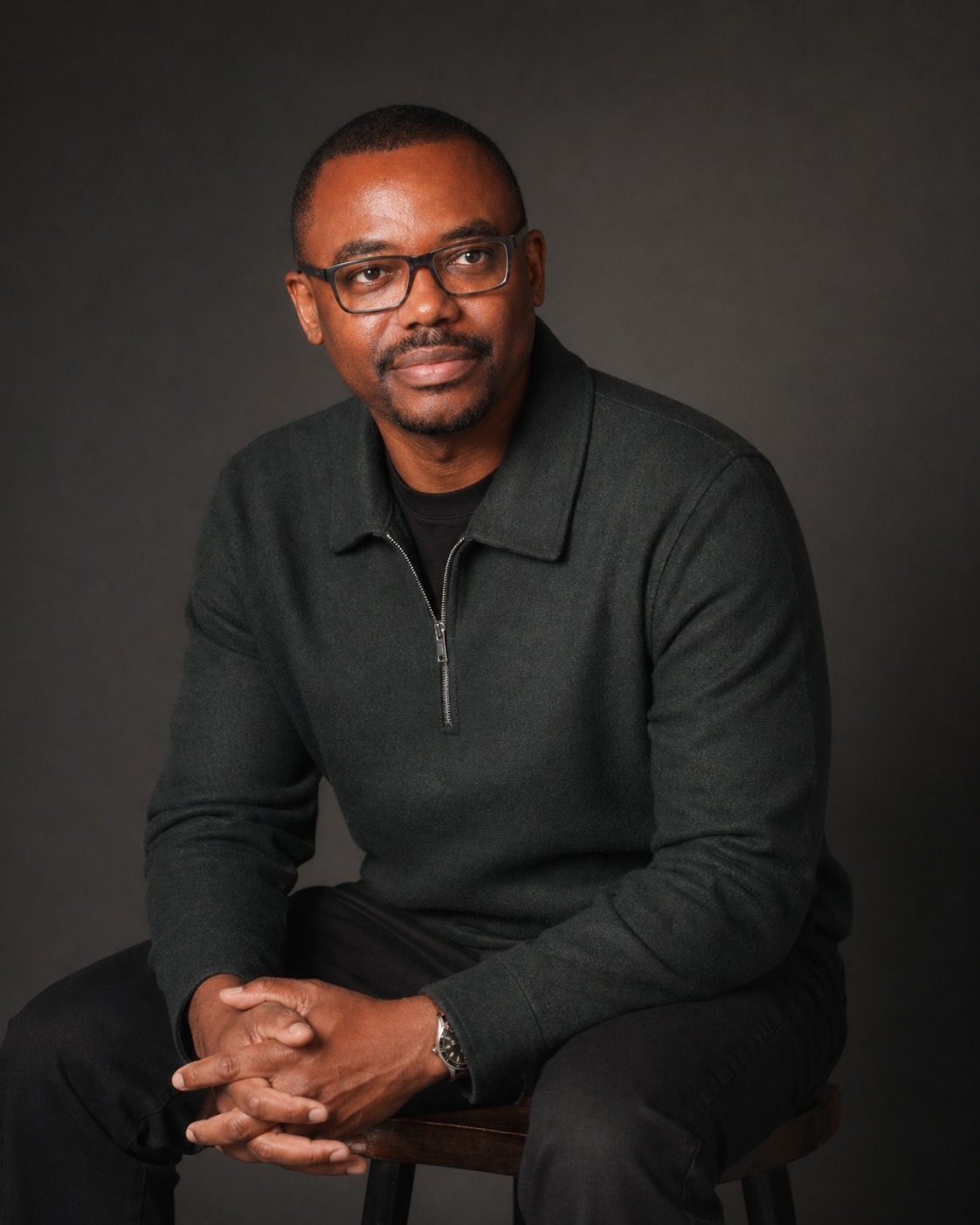
Dr Uche Okere
Dr Uche Okere is a pastor, university academic, coach and founder of Kingdom Builders AI Studio. He helps pastors, authors, speakers and faith-driven builders convert spiritual capital into visible Kingdom impact through message architecture, AI tools, workshops and practical implementation.
Explore the Studio