TL;DR
- To preserve your pastoral voice, give AI a defined task, selected source material and explicit theological boundaries.
- Check meaning, Scripture, stories and confidentiality before publication.
- Customisation can guide a draft; it cannot guarantee accuracy.
In this article
AI for pastors raises a practical question: how do you use help with writing without handing over responsibility for what you teach? Preserving your voice requires more than asking a tool to “sound like me”. It requires source material, clear instructions and a careful review of the result.
Your voice includes the way you reason from Scripture, the qualifications you make, the illustrations you choose and the people you are addressing. A draft can copy your favourite phrases while changing your meaning. That is why theological review matters more than surface resemblance.
01Give the tool a defined pastoral task
Start with work you can inspect easily. You might ask for a summary of a teaching you have already prepared, a list of repeated points in a transcript or an outline for turning that teaching into an article. Keep the initial task small enough to compare against the source.
Avoid asking the tool to invent your testimony, supply a pastoral encounter or decide what God is saying to your congregation. Those requests confuse assistance with the responsibilities of ministry. A polished paragraph cannot substitute for your study, prayer or knowledge of the people you serve.
02Supply examples and explain what matters
Choose a few representative excerpts from your own work. Explain the audience, the purpose and the distinctions the draft must preserve. If a theological term has a specific meaning in your teaching, define it. If you distinguish an interpretation from a direct biblical statement, ask the tool to retain that distinction.
You could give this instruction:
This gives you something concrete to assess. It does not make the output reliable automatically.
03What “custom AI” does and does not mean
An AI workflow can be customised with instructions, examples and relevant documents. Supplying those materials is not the same as training a new model exclusively on your sermons. Retrieval supplies relevant source material to a model; fine-tuning is a separate process. The terminology matters because neither approach guarantees doctrinal accuracy or prevents invented content.
The practical question is whether the workflow helps you trace the draft back to your sources and correct its mistakes. Ask what material the tool uses, how it handles missing information and what you must review before publication. OpenAI's retrieval documentation describes the source-search approach for readers who want the technical distinction.
04Review meaning before style
Compare the draft with your original teaching. Has a cautious observation become a universal promise? Has the model supplied a story that never happened? Has a verse been quoted accurately but applied in a way you would not defend?
Check Scripture in context and confirm the translation. Verify attributed quotations against their original sources. Read every first-person sentence carefully: it must describe something you can honestly say. Our guide to fact-checking AI-assisted Christian book content offers a fuller review process.
Then read aloud for voice. Replace expressions you would never use. Restore necessary qualifications and remove decorative sentences that add no meaning. Ask a trusted reader familiar with your teaching to review passages where the stakes are higher.
05Protect the people behind the material
Before uploading a transcript, remove private pastoral details and stories you do not have permission to share. Check the tool's current data controls and your church's requirements. A story being useful to a draft does not make it appropriate to upload or publish.
For book work, keep the same discipline. Your sermons are source material for a manuscript, and the final text still needs revision and review. How to turn sermons into books explains the change from spoken teaching to a reader's experience.
If you want help clarifying the book inside your teaching, begin with the free Live Book Brief session. Bring material you can responsibly share and a clear question about the reader you hope to serve.
06FAQ
Can AI guarantee that my theology stays intact?
No. Instructions and examples can guide the output, but the author must check meaning, Scripture handling and claims.
Do I need a model trained only on my sermons?
Not necessarily. Start by testing a small, well-defined task with appropriate source material and instructions. Assess the result before choosing a more complex setup.
Who is responsible for the published text?
The author or ministry publishing it. AI assistance does not transfer responsibility for accuracy, confidentiality or pastoral judgement.
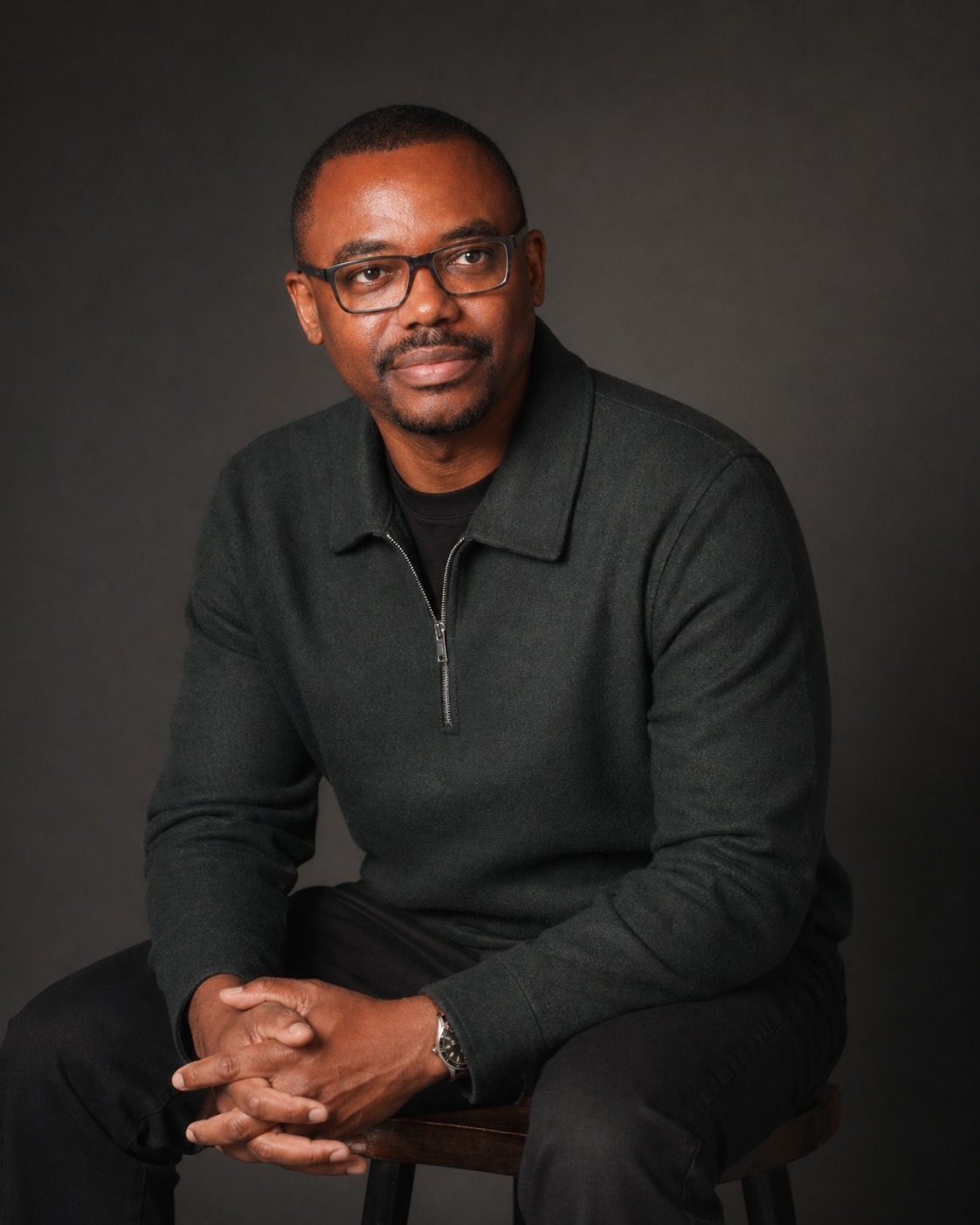
Dr Uche Okere
Dr Uche Okere is a pastor, university academic, coach and founder of Kingdom Builders AI Studio. He helps pastors, authors, speakers and faith-driven builders convert spiritual capital into visible Kingdom impact through message architecture, AI tools, workshops and practical implementation.
Explore the Studio