TL;DR
- Start with chapter questions.
- Attach precise source locations.
- Separate usable material, repeated material and missing explanation.
- Test one chapter before expanding the map.
In this article
A chapter outline can look convincing while hiding a basic problem: nobody has checked whether the material needed to write each chapter actually exists. Mapping your sources to book chapters makes that relationship visible before drafting begins.
Map the job of each chapter to specific passages in your existing material, then record the gaps and author decisions. A useful map tells you where to look and what remains unresolved. It does not certify that the source is accurate or that the proposed book is ready for publication.
TL;DR: Start with chapter questions. Attach precise source locations. Separate usable material, repeated material and missing explanation. Test one chapter before expanding the map.
01The illustrative project
Everything in the example below is invented for this teaching exercise. The source names, page locations and proposed chapters are not records of Uche's archive or a client's work.
Imagine a short book for people taking responsibility for a volunteer team for the first time. The proposed promise is to help them establish clear expectations, listen well and review the team's work thoughtfully.
The hypothetical author has three documents:
- S1, “Starting a team” teaching notes: purpose, roles and an opening conversation.
- S2, “Listening as a leader” workshop notes: questions, misunderstandings and a practice exercise.
- S3, “Reviewing our work” outline: signs of confusion, review questions and next steps.
Notice that the inventory describes content. It does not yet decide that each source must become one chapter.
02Build the map around the reader's questions
The author proposes three chapters. Each receives a question and a clear job before sources are assigned.
| Proposed chapter | Reader's question | Illustrative source location | What still needs attention |
|---|---|---|---|
| Agreeing the work | What are we asking people to take responsibility for? | S1, sections 1–3 | Add an example of a bounded role; check that it is realistic |
| Listening before deciding | How do I understand a concern without promising agreement? | S2, sections 2–4; S1, section 4 | Clarify the distinction between listening and decision-making |
| Reviewing together | How will we know what needs changing? | S3, sections 1–2; S2, closing exercise | Explain how feedback becomes an agreed next action |
This table reveals that one source can serve several chapters and one chapter can draw on several sources. It also reveals that the author still has work to do. A source map is useful partly because it makes that work harder to overlook.
03Replace broad references with usable locations
“Leadership sermon” is a weak locator if you have many files with similar names. Use a stable filename or source ID and a page, heading, paragraph range or recording timestamp.
For a recording, a location such as “12
–16, explanation of role boundaries” helps you return to the relevant passage. Confirm the transcript against the recording where wording or meaning is uncertain. A timestamp identifies a place to review; it does not prove the transcription is correct.If a source changes, retain the version used for drafting. Otherwise a later reviewer may open a revised file and be unable to find the material that supported the original paragraph.
Keep the map simple enough to maintain. A table that nobody updates will become less useful than a modest document kept alongside the current draft.
04Distinguish evidence from inspiration
For each selected passage, record how it will be used. It may supply a central explanation, an illustration, a quotation to check or a question the author needs to answer.
Those uses carry different responsibilities. A passage that inspires a new application does not automatically support every statement in that application. A quotation copied from notes still needs checking against the original source. A story mentioned briefly in a recording may need factual clarification and a decision about whether it belongs in a public book.
Use a visible status such as “ready for drafting”, “author clarification needed” or “verification outstanding”. Avoid a single green tick that appears to mean all three things have been settled.
05Find gaps before asking for more prose
Return to the second illustrative chapter. The sources discuss listening, but the chapter promises to distinguish listening from agreement. If the existing material does not explain that distinction, record the gap.
The next action might be to ask the author for a short explanation and a suitable example. It should not be to generate a confident paragraph and assume that fluent language represents the author's teaching.
The same principle applies when a source is thin on biblical context. Locate the relevant passage and undertake the necessary study. Do not use a chapter map to disguise a research question as a writing task.
06Draft one chapter from the map
Before mapping a very large archive, try the method on one chapter. Draft using the selected passages and mark any additions that require author review. Then ask whether the map allowed you to find the substance efficiently and distinguish it from new material.
If the chapter feels overcrowded, its job may be too broad. If it feels repetitive, the sources may contain several versions of the same point. If it feels thin, the missing work may be substantive rather than stylistic.
The earlier guide to moving from scattered sermons to a cohesive book considers the overall structure. A source map supplies the practical bridge between that structure and the files you will actually use.
07Questions about source mapping
Do I need specialist software?
No. A document or spreadsheet is sufficient if it preserves the links between chapter purpose, source location and unresolved work. Choose a format you will maintain.
Must every paragraph have a source ID?
Not necessarily in the reader-facing manuscript. During drafting, use enough traceability to review important claims, quotations, personal stories and passages whose origin might become unclear.
Can AI create the map?
It can propose connections within material you provide. Check the locations and the interpretation yourself. A proposed source match is not evidence that the source supports the chapter's claim.
08Bring a representative source
Visit the free Live Book Brief page for available session details. Bring a working reader question and a sample of existing teaching; these make the conversation about your message-to-book project more concrete.
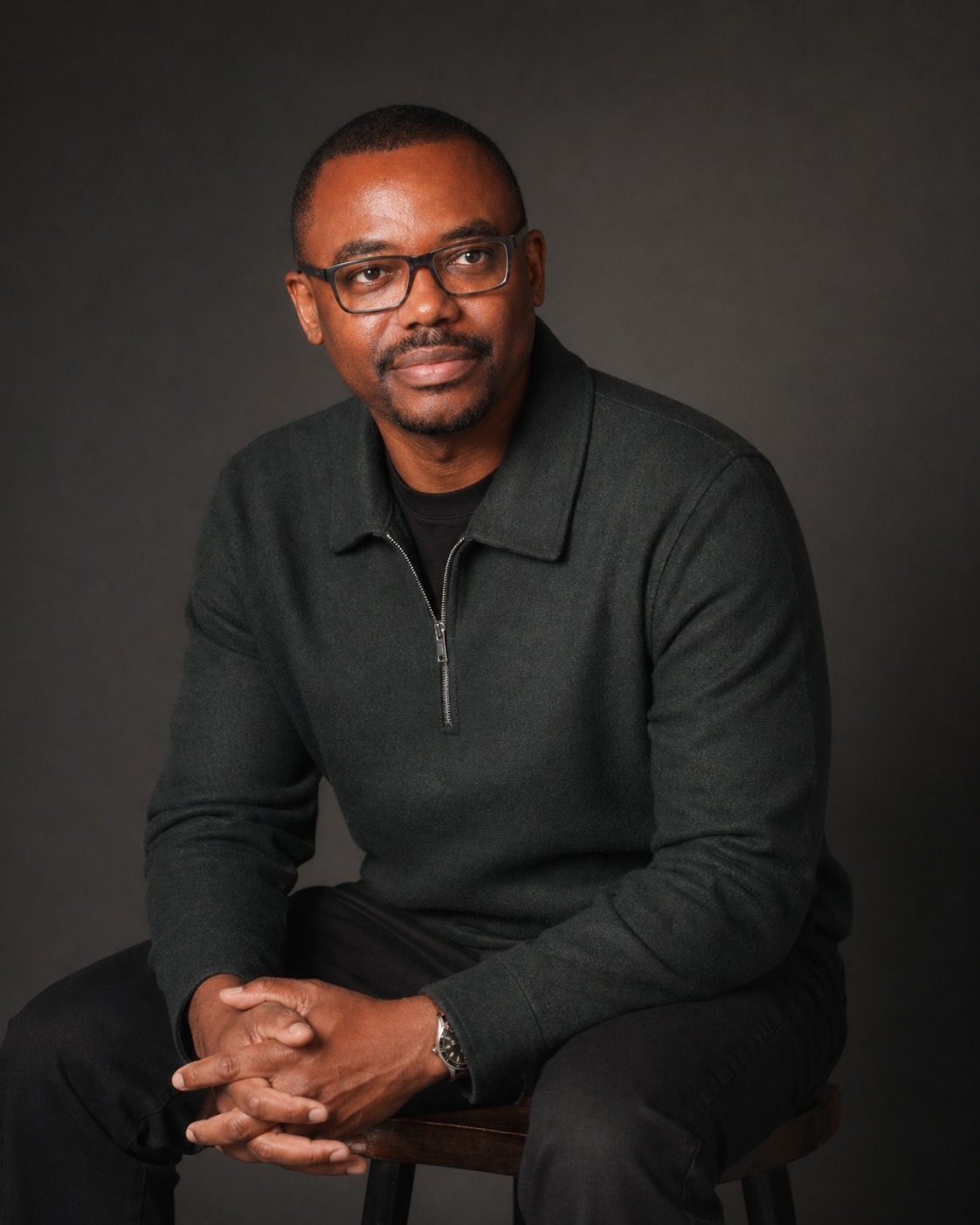
Dr Uche Okere
Dr Uche Okere is a pastor, university academic, coach and founder of Kingdom Builders AI Studio. He helps pastors, authors, speakers and faith-driven builders convert spiritual capital into visible Kingdom impact through message architecture, AI tools, workshops and practical implementation.
Explore the Studio