TL;DR
- Describe the current condition of the work.
- Clarify what “done-for-you” means in the proposed arrangement.
- Agree responsibilities and the actual endpoint before making a purchase.
In this article
A done-for-you book enquiry does not need a polished proposal, but it should make the project understandable. A useful enquiry lets someone see the material available, the reader you hope to serve and the work you want help completing.
Prepare a short project description, an honest source inventory, a representative sample and a clear statement of the help you need. These are starting points for a scope conversation. They are not a promise that a particular service is available or that every project will be accepted.
Key takeaways: Describe the current condition of the work. Clarify what “done-for-you” means in the proposed arrangement. Agree responsibilities and the actual endpoint before making a purchase.
01Say what the book is for
Begin with the reader's situation and the question the book will address. “A book on leadership” provides a subject. “A book for new volunteer team leaders learning how to give clear direction without becoming controlling” offers a more useful starting point.
That example is illustrative, not a description of an existing client project. Your working description can be less polished. The purpose is to show the intended use of the book, not to write sales copy for a manuscript that does not yet exist.
If you are uncertain about the audience or argument, say so. Clarifying a book concept is a different task from producing a manuscript from an agreed brief. Both may involve work, but they should not be confused when discussing scope.
02Describe what already exists
List the material by type and approximate extent: recordings, transcripts, teaching outlines, articles, workshop notes or a partial manuscript. State which files are current, which contain overlapping material and which require substantial explanation.
If you give a word count or recording duration, identify it as measured or estimated. A folder containing many files does not necessarily contain enough distinct material for the proposed book. Equally, a small, focused body of teaching may be more useful than a large unorganised archive.
Choose a sample that represents the ordinary condition of the material. Sending only the most polished page can conceal the work that dominates the rest of the project. An unfinished sample is useful when its condition is explained honestly.
Do not send confidential pastoral material simply to demonstrate that you have content. Begin with a non-sensitive sample and agree how further material should be shared before transferring it.
03Name the tasks you want help with
“Write the book for me” can mean several different things. You might need help extracting a structure from your teaching, converting spoken material into prose, filling gaps through author interviews or revising an existing draft.
You might instead have a stable manuscript that needs editing. Those are different starting points, and they affect the work required.
Our comparison of independent writing, a guided Sprint and done-for-you support can help you describe the broad route. Your enquiry should then identify the specific intervention you are considering.
04Define the endpoint you have in mind
An outline, a first draft, an edited manuscript, a designed book and printed copies are distinct outcomes. Ask which of these is included in any proposed agreement and what remains your responsibility afterwards.
The published guide to the Book Draft Sprint describes a first-draft DOCX outcome. That should not be treated as independent verification, professional editing, design or print, and it does not establish the scope of a separate done-for-you arrangement.
For any proposal, ask how author review works, how revisions are handled, what happens when source material is missing and how changes to the agreed scope are addressed. Record the answers in the written agreement rather than relying on an encouraging conversation alone.
05Be honest about your participation
Delegating writing tasks does not remove the need for your judgement. Someone may need you to explain an unclear teaching point, confirm a personal story or decide between two possible structures.
State your availability for review and clarification. If a deadline is connected to an event, explain that dependency. Distinguish the date you hope for from a commitment already made to other people.
It is reasonable to state a budget range if you have one. It is equally reasonable to ask what information is needed before a scope and fee can be discussed. No universal price can be inferred from the label “done-for-you”.
06Use this enquiry structure
Write six short paragraphs in your own words:
- Reader and purpose: who the book is for and what it should help them understand or do.
- Existing material: what you have, its approximate extent and its condition.
- Current stage: idea, outline, partial manuscript or complete draft.
- Help requested: the tasks you hope to delegate or work through together.
- Timing and involvement: relevant dates and your capacity to review.
- Open questions: the decisions you cannot yet answer confidently.
You can write “not yet decided” where that is true. An honest uncertainty is more useful than a confident answer chosen simply to fill a box.
07Questions before sending
Must I send my whole archive immediately?
No. A clear inventory and representative non-sensitive sample can start the conversation. Agree the purpose and method of any larger transfer first.
Will someone supply the message if I only have a title?
Do not assume that. Explain what substantive teaching exists and what still needs developing. A title is not a substitute for the convictions, evidence and judgement that support a book.
Does an enquiry commit me to buying?
It starts a conversation. Make purchasing decisions against the actual written proposal, including its deliverables, responsibilities and terms.
08Start with the material you carry
For a Kingdom Builders Studio message-to-book enquiry, email Uche at uche@ucheokere.com. Include your intended reader, existing material and the help you want to explore. Current availability and scope need to be agreed; they are not assumed by this article.
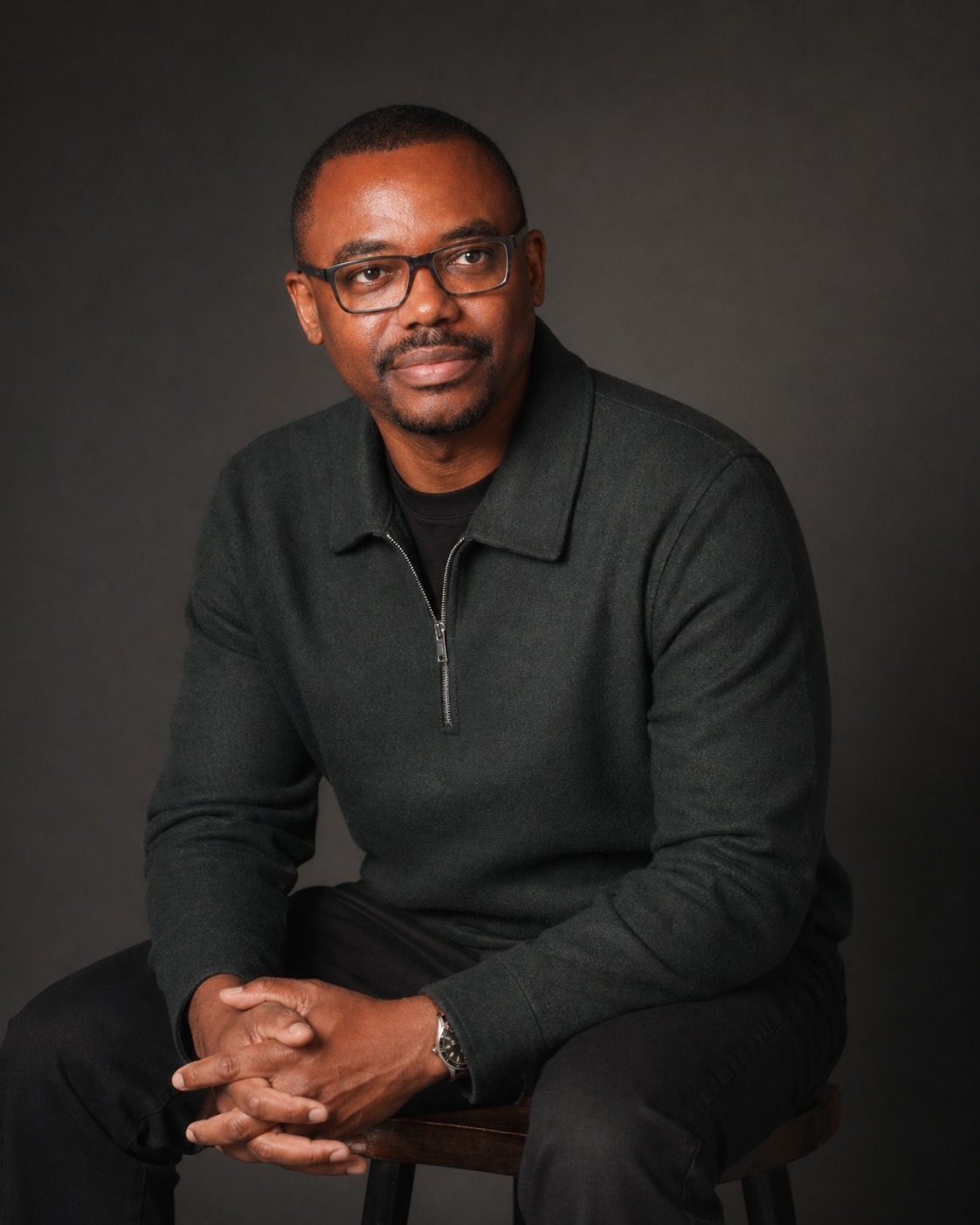
Dr Uche Okere
Dr Uche Okere is a pastor, university academic, coach and founder of Kingdom Builders AI Studio. He helps pastors, authors, speakers and faith-driven builders convert spiritual capital into visible Kingdom impact through message architecture, AI tools, workshops and practical implementation.
Explore the Studio