TL;DR
- Establish which editorial stage you are buying.
- Supply one authoritative version and the information needed to understand it.
- Agree who answers queries and what completion means.
In this article
What does a book editor need before work begins? Start with a clear explanation of the manuscript’s purpose, condition and unresolved questions. A file called “final-final” does not provide that context, even when you have worked hard to prepare it.
Give an editor the current manuscript, a concise brief, a description of outstanding issues and an agreed scope of work. The exact package depends on the kind of editing commissioned. Ask the editor what they need before preparing an elaborate handover.
TL;DR: Establish which editorial stage you are buying. Supply one authoritative version and the information needed to understand it. Agree who answers queries and what completion means.
01Start with the type of work
The Chartered Institute of Editing and Proofreading's guide to copyediting places copyediting after developmental and stylistic work, and before design, layout and proofreading. It also makes clear that the tasks depend on the text and the brief.
This matters when your manuscript still contains substantial structural uncertainty. If you cannot decide whether two chapters belong in the book, make that visible before asking someone to polish their sentences. You may need a different intervention first.
Do not rely on a service label alone. Describe the manuscript's condition and ask what work the proposed service will and will not cover. Agree whether the editor is assessing structure, revising expression, checking consistency or reviewing laid-out pages.
02Supply one current manuscript
Identify the version to be edited. Include the whole text required for the agreed task, with headings and supporting material clearly marked. If a section is missing, say so rather than leaving the editor to discover the gap.
Keep your own dated backup. Once work begins, agree how additional changes will be handled. Editing one version while the author silently rewrites another creates avoidable reconciliation work.
If there are tables, figures, notes or separate files, provide a list explaining where they belong. An editor should not have to infer whether an unattached document is an appendix, an abandoned draft or a source reference.
03Write a brief that explains the book
Describe the intended reader, central purpose, expected use and current stage. Tell the editor whether the manuscript is for individual reading, group discussion or another setting, and explain specialist vocabulary the reader is expected to know.
For a Christian book, identify theological terms whose meaning needs particular care. Explain denominational or interpretative commitments relevant to the text without treating that note as a substitute for clear writing.
Our guide to choosing the reader for a Christian nonfiction book can help with this part of the handover. The editor needs a usable description of the audience, not a claim that the book is for everyone.
04Make unresolved issues visible
Provide a short list of questions you already know about. Perhaps a quotation needs its original source. Perhaps a personal story awaits clarification. Perhaps two explanations use a theological term differently.
Separate these issues from ordinary preferences. “Please preserve British spelling” is a style instruction. “I have not checked whether this attribution is correct” is an unresolved factual task. They should not disappear into the same undifferentiated note.
AI-assisted drafting should also be described honestly where it affects the work. Tell the editor which passages have been compared with sources and which have not. Do not assume that a commission automatically includes independent verification of every generated claim.
05Agree the treatment of Scripture and sources
Record your preferred Bible translation, how quotations are distinguished from paraphrases and how references are presented. If different translations are used, identify them consistently and check their applicable quotation requirements separately.
The handover should also explain your citation approach. Provide enough information for a quotation or factual claim to be traced. If a source is unavailable, flag that rather than leaving an incomplete reference that looks settled.
A theological review, factual verification and a language edit may overlap in places, but they should not be assumed to be the same commission. Clarify who is responsible for each area and what expertise is required.
06Establish the review process
Ask how queries will arrive, where you should answer them and how revisions will be returned. Agree who can approve changes if more than one person is involved in the project.
Allow time to respond thoughtfully. A query about a changed emphasis may need you to revisit the source teaching. Treating author review as an instant administrative task can weaken the value of the edit.
Discuss what happens after the agreed round of work. Does the editor review your responses? Is another pass included? What counts as new work? These questions belong in the scope conversation, before assumptions become frustrations.
07A practical handover check
Before sending the files, confirm that you can answer these questions:
- Which file is the authoritative manuscript, and what is its current word count?
- Who is the reader, and what should the book help them understand?
- What editorial work is agreed, and what is outside its scope?
- Which sources, permissions or factual questions remain unresolved?
- Who will answer queries, and what timetable has been agreed?
- What files or decisions should exist at completion?
This check is a starting framework, not a universal requirement imposed on every editor.
08Questions authors ask
Should I make the manuscript look like a printed book?
Ask the editor about file requirements. Clear, consistent structure is usually more useful at manuscript stage than decorative formatting that complicates revisions.
Does an editor guarantee an error-free book?
No. Discuss the standards and scope of the work without treating editing as a guarantee of perfection. Author decisions and later production changes also need careful review.
What if I have a first draft from a Sprint?
Describe it as a first draft and explain what has been checked since production. Do not relabel it as edited or publication-ready simply because all proposed chapters exist.
09Clarify the next stage
If you are unsure whether your message-to-book project needs more drafting, structural work or a handover to an editor, email Uche with the manuscript's current state and the help you are seeking. Any support should be discussed against the actual work required.
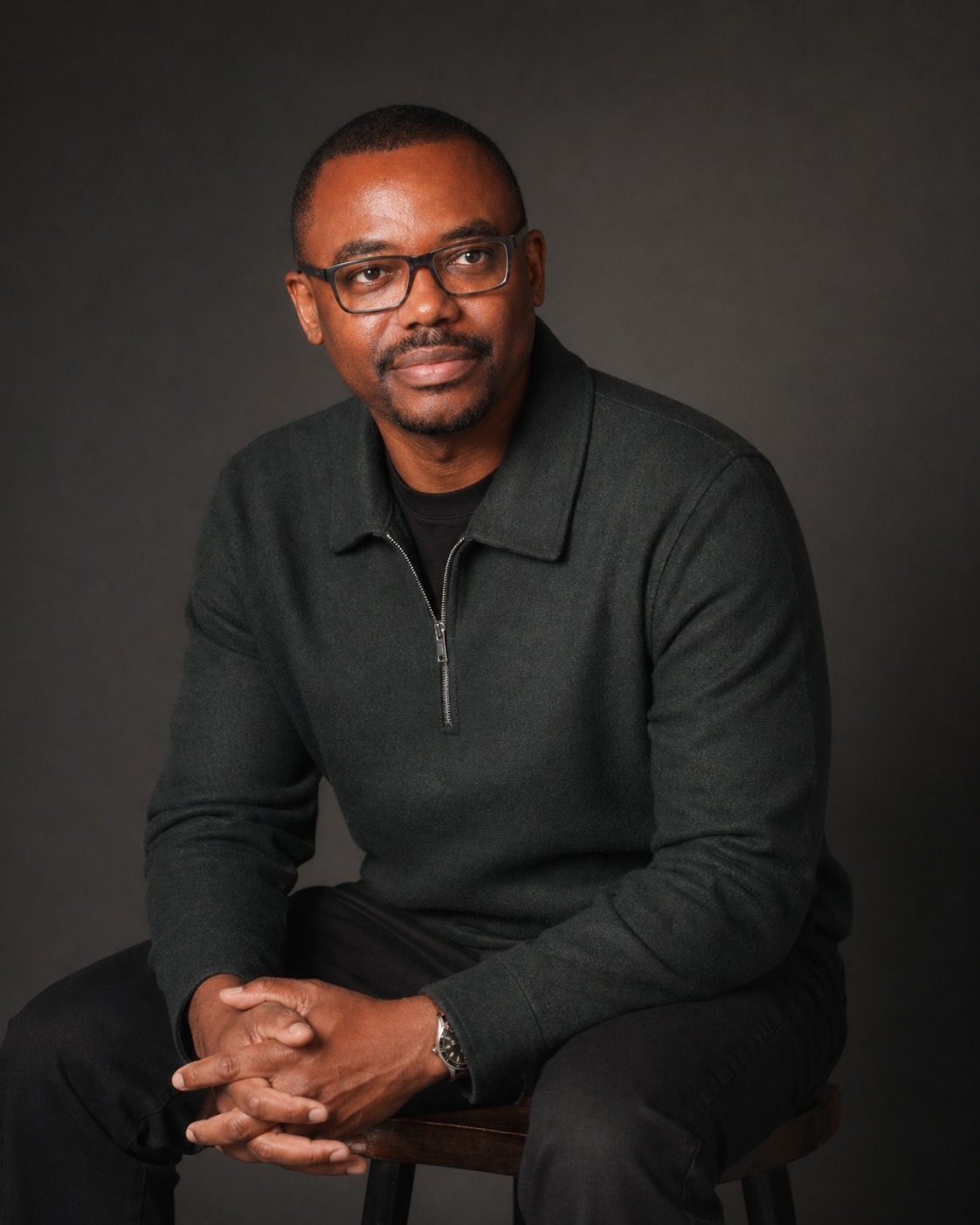
Dr Uche Okere
Dr Uche Okere is a pastor, university academic, coach and founder of Kingdom Builders AI Studio. He helps pastors, authors, speakers and faith-driven builders convert spiritual capital into visible Kingdom impact through message architecture, AI tools, workshops and practical implementation.
Explore the Studio