TL;DR
- Review the whole argument before polishing every sentence.
- Check factual, biblical and personal material against its sources.
- Keep manuscript completion separate from production readiness.
In this article
- 01Preserve the completed draft
- 02Read for the whole argument
- 03Verify what depends on a source
- 04Revise for clarity and voice
- 05Ask for feedback with a defined purpose
- 06Identify the professional help the manuscript needs
- 07Prepare the approved text for production
- 08Questions after drafting
- 09Decide what your manuscript needs next
Finishing a first draft is a real achievement. You can finally read the book as a whole, see how its parts relate and work with something more substantial than an intention.
It is also the beginning of a different kind of work.
After a first draft, assess the manuscript's structure, verify claims and sources, revise the writing, seek appropriate feedback and prepare the approved text for production. These stages may overlap, but skipping them because the document looks complete can carry avoidable problems into print.
In brief
- Review the whole argument before polishing every sentence.
- Check factual, biblical and personal material against its sources.
- Keep manuscript completion separate from production readiness.
01Preserve the completed draft
Save a clearly named copy before beginning revisions. You want to be able to compare later changes with the version you completed.
Then create a working revision copy and a simple issue list. Record structural concerns, source questions and decisions that require your attention.
This makes the review more manageable. Without a record, you may repeatedly notice the same problem, fix it in one chapter and forget that it also appears elsewhere.
A first draft is evidence of progress. Preserve it while making room for the work that improves it.
02Read for the whole argument
Begin with the book's promise and intended reader. Does the manuscript actually deliver what you said it would?
Read the chapters in sequence. Note where the argument repeats, where a key explanation arrives too late and where the reader is asked to accept a conclusion without enough support.
At this stage, resist spending an hour polishing a paragraph that may later be removed. Establish whether the manuscript's structure works before investing heavily in sentence-level refinement.
For a sermon-based book, this review is especially useful because each source message may have been complete in itself. The manuscript needs to work as one book rather than a succession of fresh beginnings.
03Verify what depends on a source
Make a separate pass for claims that require checking.
Scripture references and quotations need comparison with the relevant text. Research claims need traceable evidence. Personal stories must reflect what actually happened. Statements about the capabilities of a tool or programme need to match what it currently does.
If AI assisted with the draft, do not assume that a plausible reference is a real one or that a polished illustration came from your material. Open the source and check.
The guide to fact-checking AI-assisted Christian book content offers a practical way to record these checks. Keep unresolved questions visible until you have an answer.
04Revise for clarity and voice
Once the main structure is working, attend to the writing.
Look for sentences that hide a simple point behind abstract language. Explain terms that your reader may not know. Remove repeated summaries and transitions that announce an argument without developing it.
Read passages aloud. The aim is not to reproduce every feature of your speaking voice. It is to recognise whether the writing carries your natural way of explaining, qualifying and applying the teaching.
Where an edit has made the prose smoother but less faithful, reconsider it. Where a familiar phrase has become repetitive, find a clearer way to say what the reader needs.
05Ask for feedback with a defined purpose
“Tell me what you think” often produces encouragement without enough editorial information.
Give a reader specific questions. Where did you lose the argument? Which example clarified the point? What felt repeated? Which claim needed more support? What did you expect the book to address that it did not?
Choose readers who can assess the intended experience, and seek suitable expertise for questions beyond their competence. General reader feedback is not a substitute for specialist review where one is needed.
You remain responsible for deciding which suggestions improve the book. Feedback can reveal a problem even when the proposed solution is not the right one.
06Identify the professional help the manuscript needs
Editing is not one undifferentiated service. Structural assessment, detailed language editing and proofreading address different levels of work, although providers may use different names and combine services.
Explain the state of the manuscript and ask what the proposed service includes. If chapters still need substantial rearrangement, a final typo check will not solve that problem.
Request a clear scope, deliverables and revision process. Do not assume that “edited” means fact-checked, theologically reviewed or ready for a particular publisher.
These distinctions matter whether you wrote independently, worked with AI or completed a guided programme.
07Prepare the approved text for production
Design and production should use the version you intend to publish. Late changes may still be necessary, but avoid treating a visually attractive layout as evidence that the writing has passed review.
The later work may include interior layout, cover development, publication details, platform requirements and checking proofs. Each needs attention appropriate to the chosen publishing route.
For the Kingdom Builders Guided Book Draft Sprint, these are explicitly later stages. The Sprint's stated deliverable is a complete first-draft DOCX; professional editing, independent verification, design and printing are outside that offer.
Key takeaways: Celebrate the draft and assess it honestly. Review structure before final polish. Agree the scope of any professional help.
08Questions after drafting
Should I publish immediately while I still feel momentum?
Use that momentum to complete the review. A finished file alone does not establish publication readiness.
Can I edit the book myself?
You can do substantial revision yourself. Whether additional professional help is needed depends on the manuscript, your skills and the intended publication standard.
Does a clean diagnostic mean the book is ready?
Treat diagnostics as evidence to review, not a replacement for source checks and editorial judgment.
09Decide what your manuscript needs next
If you have a draft and are unsure where to begin, email me with the book's purpose, approximate length and the work you have already completed. That is a useful starting point for discussing the next stage without assuming you need to start again.
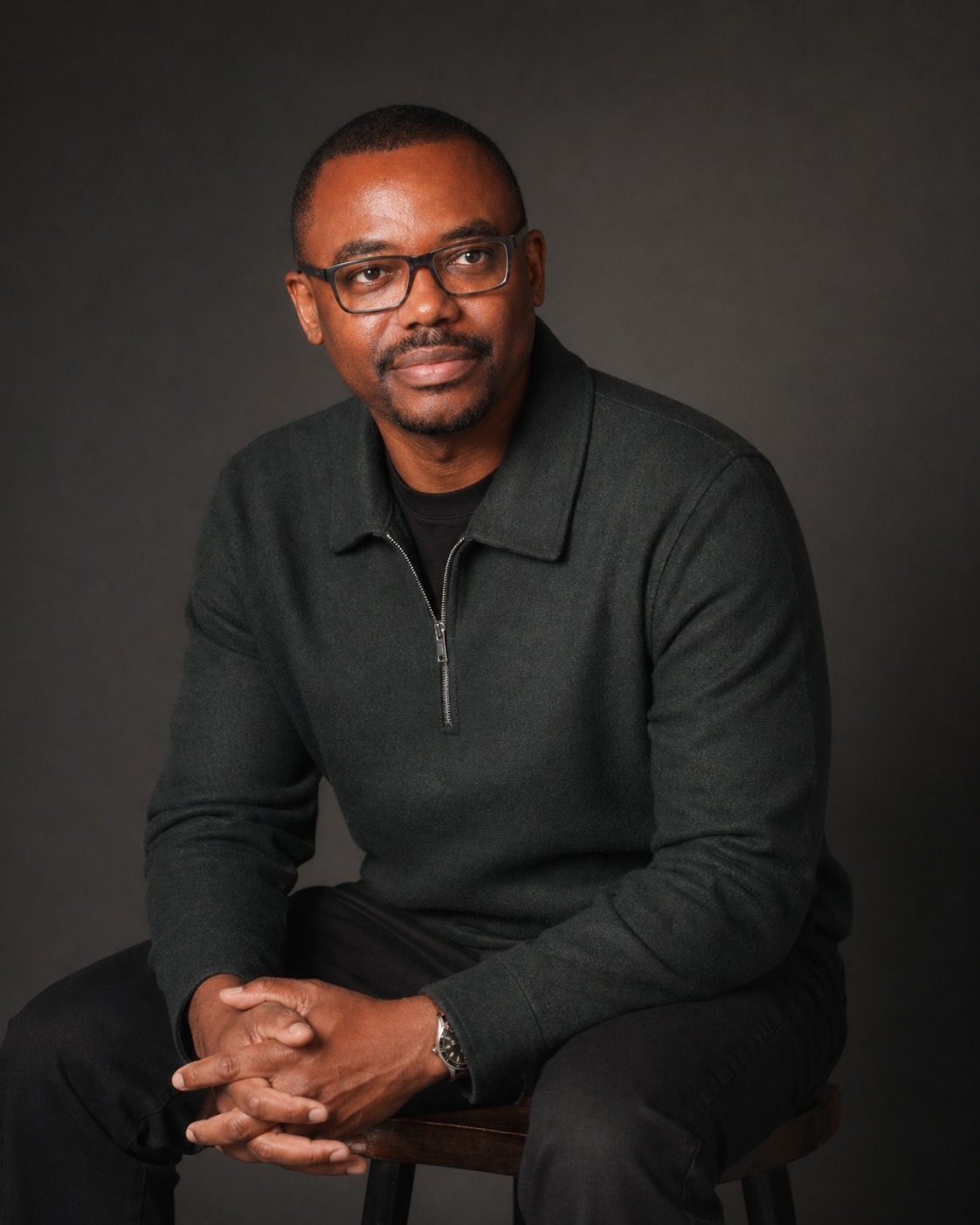
Dr Uche Okere
Dr Uche Okere is a pastor, university academic, coach and founder of Kingdom Builders AI Studio. He helps pastors, authors, speakers and faith-driven builders convert spiritual capital into visible Kingdom impact through message architecture, AI tools, workshops and practical implementation.
Explore the Studio