In this article
“The book is nearly finished” can mean that most chapters contain words, that the author has resolved the argument, or that designed pages are awaiting final checks. Those conditions are far apart. To estimate the work left in your book project, begin by naming the endpoint.
List the remaining tasks, inspect representative work and separate active effort from waiting time. Use what you observe to form a range, then revise it as the manuscript progresses. Word count alone cannot tell you how close the project is to completion.
Key takeaways: Define what “finished” means for this estimate. Identify dependencies. Base timings on a sample of your own work, and keep uncertain tasks visible.
01Choose the endpoint
Are you estimating the time to a complete first draft, an author-reviewed manuscript, an edited text or a book ready for publication? Write the answer at the top of your plan.
If you are considering paid support, compare the service's endpoint with your own. A first-draft programme may help with one stage while leaving substantial review and production work. The guide to what the Book Draft Sprint delivers describes that first-draft boundary; it is not a promise that a current cohort is available.
Keep any publication date separate from a draft-completion estimate until the intervening stages have been considered.
02Inspect the manuscript by task
Make a chapter list and record its condition. Useful descriptions include “needs a conclusion”, “source comparison outstanding”, “structure unresolved” and “ready for author review”. These labels are more informative than a single percentage complete.
Then add work that sits outside individual chapters: introduction, references, permissions questions, consistency review, editorial handover and later production stages relevant to your endpoint.
Do not assume every task applies to every project. The purpose is to expose the work your book actually requires. If you do not know whether a task is needed, record a decision to investigate it rather than treating it as completed or assigning an arbitrary duration.
03Measure a representative sample
Choose a chapter that resembles much of the remaining work. Complete a defined task and record the focused time it takes. Note what made it easier or harder: clean sources, missing context, a disputed claim or substantial restructuring.
One sample is an initial observation, not a universal productivity rate. If the manuscript contains very different kinds of chapters, inspect more than one. Keep research-heavy sections separate from straightforward revisions.
This approach is particularly useful before accepting a deadline or commissioning help. It lets you explain the manuscript's condition with evidence rather than relying on how finished the document looks.
04A hypothetical estimate
The numbers below are invented to demonstrate the method. They are not Studio performance data, industry benchmarks or a forecast for your book.
Suppose an author has five chapters left to compare with their sources. A representative check takes two to three focused hours. The provisional estimate for that task is therefore ten to fifteen hours. The author also identifies four hours of specific rewriting and two hours to assemble unresolved questions for review.
That produces a working estimate of sixteen to twenty-one active hours for those listed tasks. It excludes any additional work revealed by the checks, responses from other people and subsequent editing or production.
If the author can reliably protect four focused hours a week, the arithmetic suggests roughly four to six working weeks for those tasks alone. It does not establish a publication date. A single unresolved issue might change the sequence or require further work.
05Separate effort from elapsed time
An hour spent writing a clarification request may be followed by several days waiting for an answer. Both affect the calendar, but only one is active work.
Show dependencies explicitly. You may need an author's decision before revising the chapter, or a stable manuscript before a provider can confirm their scope and availability. Do not schedule dependent tasks as though they can all proceed at once.
Where another person is involved, ask for their actual availability rather than inserting your preferred date as their commitment. Your planning spreadsheet cannot create capacity in someone else's diary.
06Make uncertainty useful
Use ranges where the task is reasonably understood and mark unknowns separately. An unknown is not automatically a small number. “Quotation source not located” could require a quick correction, a replacement or removal of the passage.
Identify what would reduce the uncertainty. Perhaps you need to inspect a difficult chapter, ask a question or commission an assessment. Doing that small piece of work may improve the plan more than refining dates across the entire project.
Avoid adding a vague allowance and assuming every risk has been covered. Name the conditions that could change the estimate, particularly those affecting the book's central argument or agreed scope.
07Review after meaningful work
Update the estimate when evidence changes: a representative chapter takes longer than expected, a source problem is resolved, or the scope becomes smaller. Keep the earlier estimate so you can understand why the plan changed.
A revision to the timetable is information, not automatically failure. The useful question is whether you are learning early enough to make responsible decisions about commitments, support and priorities.
08Questions about estimating
Can I estimate from word count?
Word count helps describe scale, but similar lengths can require very different work. Use it alongside condition, complexity and the actual task to be completed.
Should I wait until every uncertainty is resolved?
No. Make a provisional plan with visible assumptions and decision points. Avoid presenting that plan as a firm delivery promise.
What should I send when asking for help?
Provide the current stage, a representative sample, your intended endpoint and the tasks you believe remain. Explain any external date and whether it is flexible.
09Discuss the work before the deadline
For a message-to-book project enquiry, email Uche with the material you have, the reader you intend to serve and the work you want help assessing. A clear scope is a better foundation for a timetable than optimism alone.
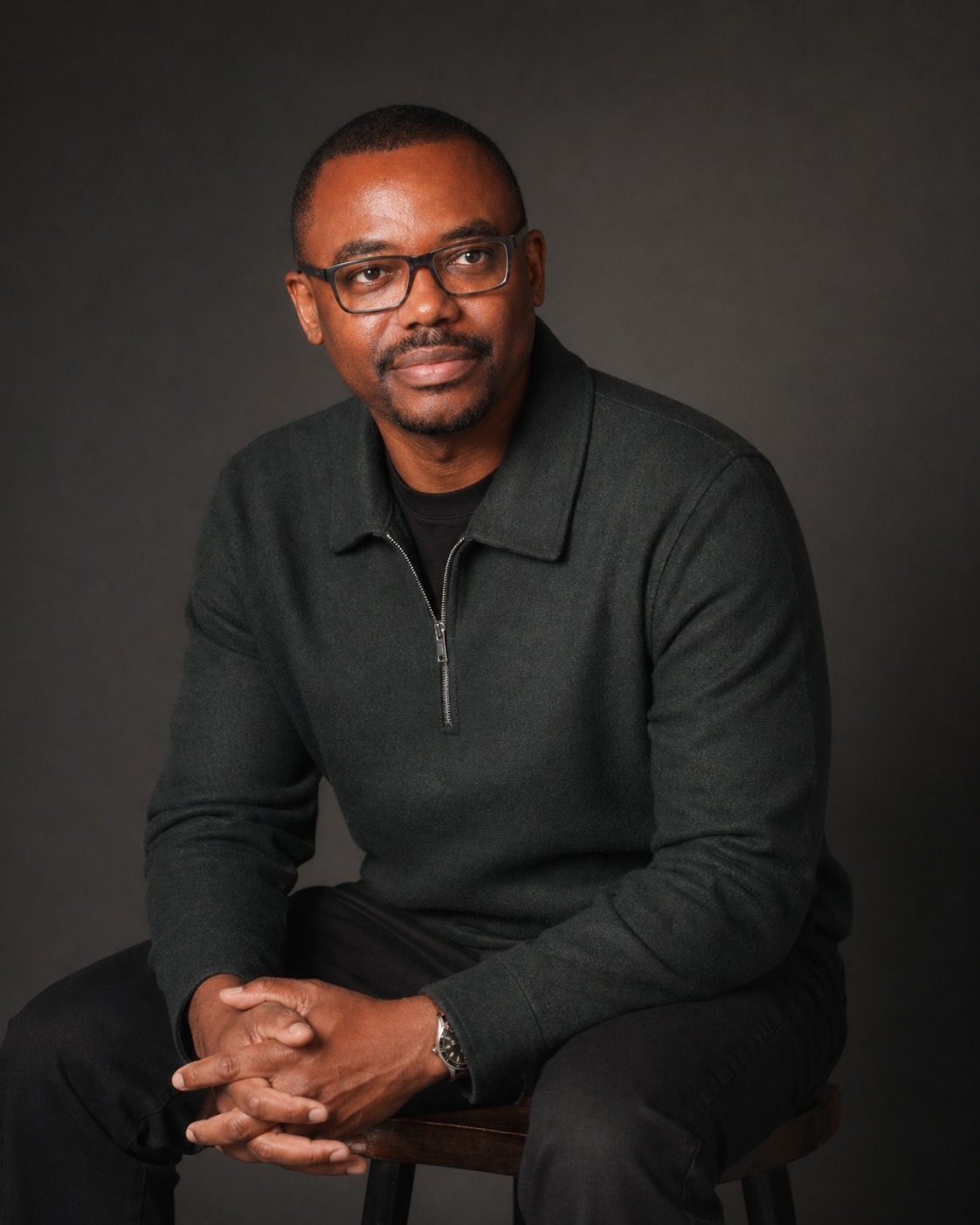
Dr Uche Okere
Dr Uche Okere is a pastor, university academic, coach and founder of Kingdom Builders AI Studio. He helps pastors, authors, speakers and faith-driven builders convert spiritual capital into visible Kingdom impact through message architecture, AI tools, workshops and practical implementation.
Explore the Studio