TL;DR
- You bring usable source material and participate in the author decisions.
- The Sprint guides preparation, book planning and first-draft production.
- A complete draft still needs editorial and publication work.
In this article
Before you join a programme to help you write your book, you should be able to say exactly what you are buying. “Write your book” can mean anything from attending a few lessons to receiving a finished manuscript, and those are very different commitments.
The Guided Book Draft Sprint is a three-day live production experience built around your existing material. Its stated outcome is a complete first-draft DOCX within the agreed pathway and scope. Professional editing, independent verification, design and publication are subsequent stages.
I want that distinction to be clear because a meaningful first draft is worth producing, and it deserves to be described honestly.
In brief
- You bring usable source material and participate in the author decisions.
- The Sprint guides preparation, book planning and first-draft production.
- A complete draft still needs editorial and publication work.
01The work begins before the first session
A concentrated production period works best when the essential material is already available. Sermons, teaching notes, transcripts, frameworks and unfinished chapters can all provide a starting point. They need to contain enough substance for the book you are proposing.
Preparation includes the Foundation Pack, a suitable pathway and a readiness check. This is where the project becomes specific. What book are you building? Who needs it? Which material supports it? What can reasonably be developed within the chosen scope?
If you are still deciding between several bodies of teaching, choose the sermon series for your first book before trying to turn everything you have ever taught into one manuscript.
02You remain actively involved
The Sprint is described on the current offer page as guided production, with live sessions and focused work between them. It is not an unattended software licence.
Your involvement matters at the points where a tool cannot make the decision for you. You must recognise whether the proposed argument is yours, whether the sequence serves your reader and whether a passage accurately represents your convictions.
AI assistance can help organise and develop supplied material. It does not make an unfamiliar statement true, turn a suggested anecdote into your experience or relieve you of the responsibility to review what bears your name.
03The book plan directs the production
The published process moves through preparation, building and completion. During building, the architecture and production plan are approved before the work develops into substantive units.
That matters because a complete document can still be an incoherent book. If every chapter repeats the same introduction, or the central argument appears only halfway through, adding more pages will not solve the problem.
A useful plan establishes what belongs in the book and what each part contributes. It gives the production work a defined destination rather than leaving the software to keep generating until the document feels long enough.
The offer currently lists signature books, short signature books and devotional pathways. These have different structures and readiness demands. A full-year devotional, for example, is presented as an advanced-readiness pathway; the existence of that option does not mean every collection of notes is suitable for it.
04What “complete first draft” means
The promised deliverable is a first-draft Word document covering the agreed book plan. That gives you a complete manuscript to assess and develop, rather than a folder of disconnected beginnings.
It does not mean every sentence is final. You may still need to strengthen an explanation, move material, improve a transition, check a quotation or reconsider an illustration. Reading the whole manuscript often reveals issues that are difficult to see while working on individual sections.
Completing the draft therefore changes the nature of the work. You can assess the book as a whole and make informed decisions about what it needs next.
05What the Sprint does not include
The current offer explicitly excludes professional editing and proofreading, independent fact and Scripture verification, cover design, interior typesetting, ISBN arrangements, KDP or Bookvault fulfilment and printed copies. It also excludes publication-ready certification and permanent or unlimited generation access.
These boundaries are useful. They allow you to evaluate the first-draft stage on its own terms and plan for the remaining work.
If your immediate requirement is a finished book delivered to your door, that is a different project scope. Clarify that before purchasing a first-draft programme. A shorter route to a draft should never be confused with the disappearance of editorial responsibility.
06How to decide whether you are ready
You may be a suitable applicant if you have substantial usable material, can identify a coherent book direction and can commit to the required sessions and preparation. You should also be willing to make decisions and revise work that needs attention.
If your material is partial, the readiness process matters more than enthusiasm alone. The current application explains that an unready application can be saved without opening checkout, with preparation needed before a later cohort.
A useful starting question is, “What would I actually bring into production?” If the answer is only a subject you find interesting, start by developing the material. If it is a substantial body of your own teaching with a clear reader need, you have something more concrete to assess.
Key takeaways: Buy the stage you actually need. Allow time for preparation and participation. Plan for editing and verification after the draft.
07Questions about the Sprint
Will I have a publication-ready book after three days?
No. The stated outcome is a complete first-draft DOCX within the agreed scope.
Is this done-for-you ghostwriting?
No. The published offer requires your participation, source material and author decisions.
Where should I check dates and pricing?
Use the current cohort page. Availability, deadlines and prices should be checked there rather than assumed from an older article.
08Review the offer before applying
If you have the material and want a guided period of focused production, read the Sprint details and readiness requirements. Check the cohort dates and application status before making plans.
For help deciding whether your project fits, email uche@ucheokere.com with a short description of your material and the book you hope to produce.
Dr Uche Okere
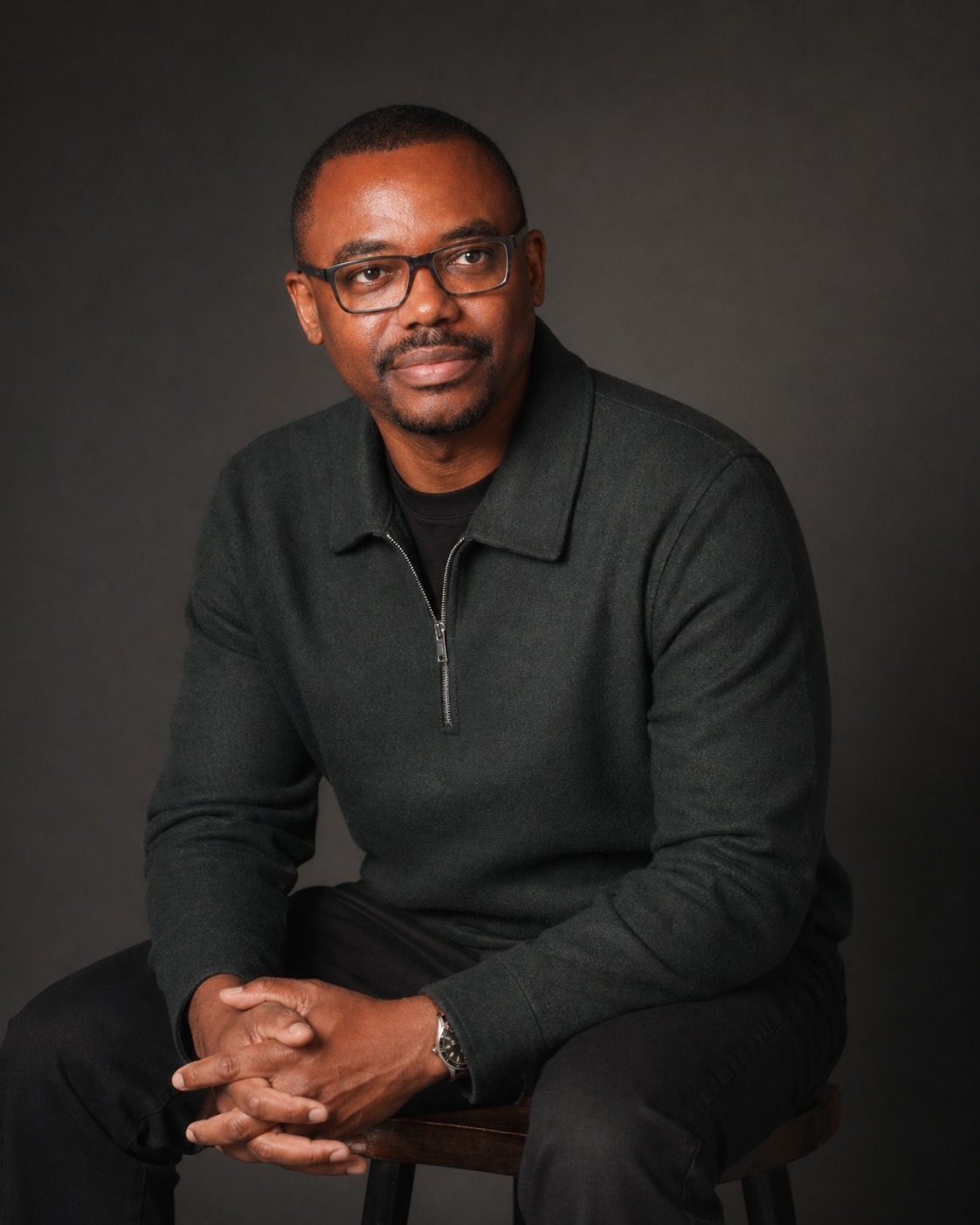
Dr Uche Okere is a pastor, university academic, coach and founder of Kingdom Builders AI Studio. He helps pastors, authors, speakers and faith-driven builders convert spiritual capital into visible Kingdom impact through message architecture, AI tools, workshops and practical implementation.
Explore the Studio