TL;DR
- Preserve the current version.
- Separate missing material from difficult decisions.
- Restart with a task that leaves the manuscript measurably clearer, even if it adds no words.
In this article
An unfinished manuscript can become difficult to open because it seems to ask for every unresolved decision at once. You remember the weak chapter, the changing outline and the introduction you have rewritten several times. Before you have read a page, the project already feels larger than the time available.
To restart an unfinished book, diagnose the existing manuscript, choose one useful next outcome and complete a bounded piece of work. A new document and a new opening are not always the help the book needs.
Key takeaways: Preserve the current version. Separate missing material from difficult decisions. Restart with a task that leaves the manuscript measurably clearer, even if it adds no words.
01Open the manuscript as an editor first
Save a dated copy before making changes. Gather the latest outline, the working manuscript and the source material that genuinely belongs to this project. Leave alternative versions available, but identify which document is the current one.
Read enough to establish what exists. Resist correcting punctuation while you are trying to understand the shape of the book. Your first job is to make a short inventory: chapters drafted, chapters partly drafted, material still in notes and sections whose purpose is uncertain.
This gives the project an observable condition. “I never finish anything” is a judgement about yourself. “Four chapters exist, two overlap and the final section is still notes” describes work you can address.
02Identify the actual blockage
A book can stall for several reasons, and each requires a different response.
Perhaps the intended reader has changed. Perhaps you have enough material but cannot decide what belongs. Perhaps a chapter depends on an example you cannot responsibly use. You may know the next step perfectly well and lack the protected time to do it.
Write the blockage in a sentence specific enough to guide action. “I need motivation” is difficult to work with. “I have not decided whether this is for new ministry leaders or experienced pastors” identifies a decision that affects the whole manuscript.
If the reader has become unclear, revisit choosing the reader for a Christian nonfiction book. Do that before rewriting chapters for an audience you have not settled.
03Check whether the original promise still holds
Read the book's working description. Does it still represent what you want to say and whom you can help? Have you learned something that changes the argument? Is the material available to support the promise?
Sometimes restarting requires a smaller scope. Sometimes it requires acknowledging that the current project belongs on hold. Neither decision should be made solely because one writing session was discouraging.
Use the evidence in the manuscript. A substantial section serving a clear reader may justify reshaping the book around it. A collection of interesting fragments may need more teaching development before it becomes a coherent manuscript.
04Choose one restart outcome
Set an outcome you can recognise when it is complete. Useful examples include a revised chapter map, one chapter with a clear beginning and ending, or a list of unresolved source questions with an owner beside each one.
Avoid “work on the book”. That instruction leaves you to renegotiate the task every time you sit down. Instead write: “Review chapter four and identify the three places where the argument needs evidence.” The task can end even if solving the questions requires later work.
For illustration, imagine an author with six drafted chapters and a crowded final section. Rather than restarting the introduction, the author makes a one-page map of the final section and moves two unrelated themes into a future-project file. That is meaningful progress without a new chapter. This is a hypothetical example, not a report of a client's experience.
05Re-enter through a workable chapter
You do not have to resume at page one. Choose a chapter with a clear purpose and accessible sources. Finishing a defined section can show you which methods, files and review decisions the remaining chapters need.
Keep the session narrow. If you are rebuilding the argument, do not also redesign the cover, choose publishing software and research launch dates. Record those later tasks in a separate list so they do not compete with the current one.
At the end, write a handover note to your future self: what changed, what remains uncertain and the next action. A sentence such as “Next, compare the final two paragraphs with the original teaching notes” removes a small but real barrier to returning.
06Rebuild a rhythm that fits your responsibilities
Choose writing periods you can actually protect. Ministry, employment and family care do not disappear because a manuscript matters. A sustainable plan acknowledges those commitments instead of treating every interruption as a failure of character.
Make room for different kinds of work. Reviewing an outline, checking a source and drafting a difficult passage require different levels of attention. Keep a short list of smaller tasks for limited periods, while reserving deeper work for time when you can concentrate.
After a few sessions, review what happened. If the planned task repeatedly exceeds the available time, reduce its size or change the timetable. The plan should learn from your working reality.
07Questions about returning to a draft
What if I no longer like my early writing?
Distinguish dated expression from an argument you no longer hold. Language can be revised. A changed conviction requires a more careful decision about the book's substance and direction.
Should I announce a publication date to make myself finish?
Be cautious about creating an external commitment before you understand the remaining work. A private review milestone can provide structure without promising a finished book prematurely.
When should I seek help?
Seek a conversation when you can name the recurring obstacle but cannot resolve it alone. Bring a representative sample and explain the decision or work you need help with.
08Bring the project as it is
You do not need to make the manuscript look further advanced than it is. Email Uche with the material you have, the intended reader and the point at which the book has stalled. That is a useful starting place for discussing the next stage of a message-to-book project.
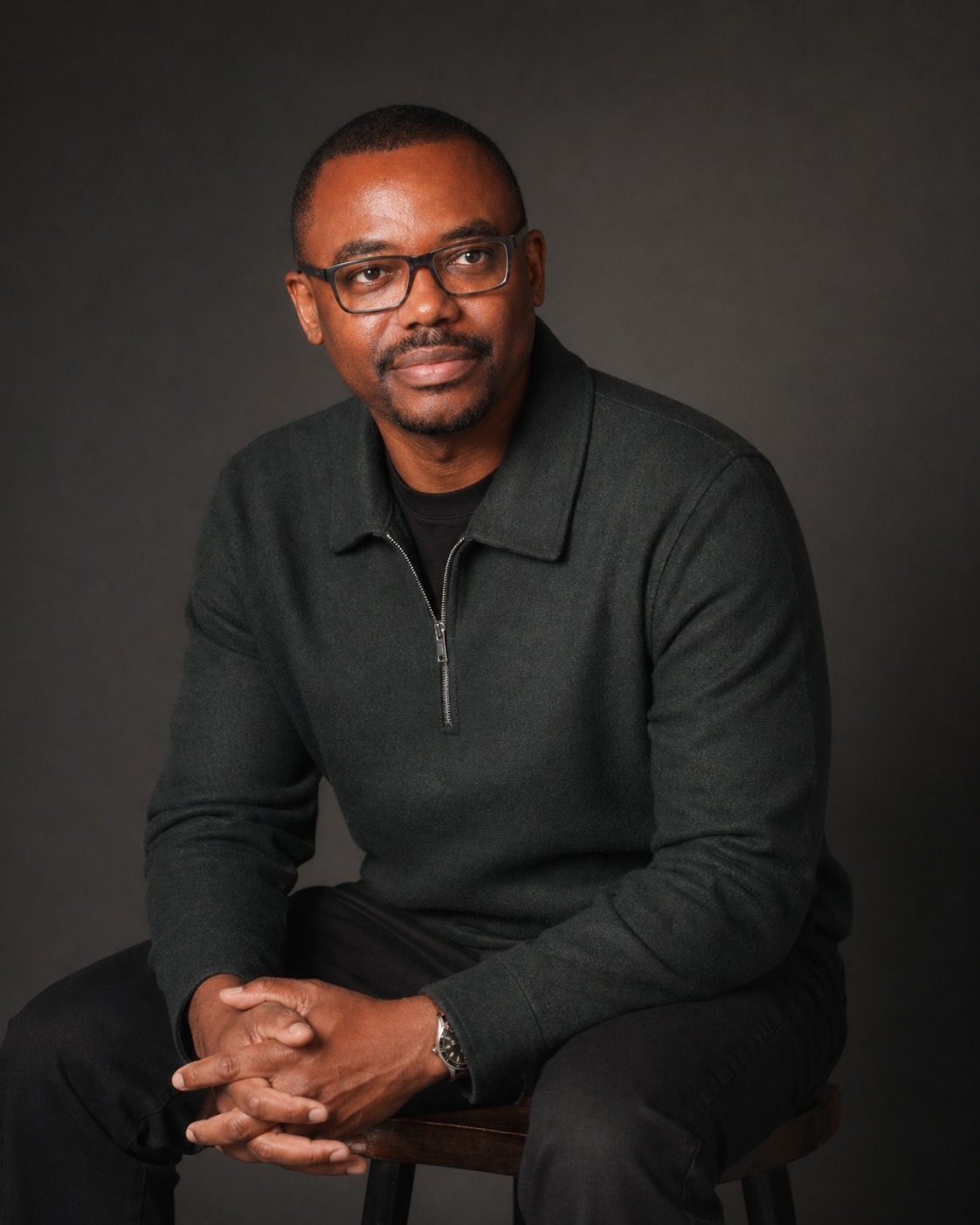
Dr Uche Okere
Dr Uche Okere is a pastor, university academic, coach and founder of Kingdom Builders AI Studio. He helps pastors, authors, speakers and faith-driven builders convert spiritual capital into visible Kingdom impact through message architecture, AI tools, workshops and practical implementation.
Explore the Studio