TL;DR
- Narrow the promise before cutting the manuscript.
- Keep the explanation that makes the teaching responsible.
- Let excluded material remain available for another appropriate use.
In this article
When you have carried a message for years, a small book can feel inadequate to the weight of it. There are sermons you do not want to leave behind, connections you have come to value and questions you would like the reader to understand fully.
The difficulty is that a first book cannot carry every responsibility your ministry carries. It has a particular reader, a limited space and a promise that needs to be fulfilled with care.
A smaller first book is a sound choice when it offers a complete, useful treatment of a narrower question. It becomes a weak choice when essential explanation is removed simply to finish sooner. The decision concerns scope and sufficiency, not size alone.
Key takeaways: Narrow the promise before cutting the manuscript. Keep the explanation that makes the teaching responsible. Let excluded material remain available for another appropriate use.
01Separate the weight of the message from the size of the book
A substantial calling may be expressed through many forms over time. One book does not have to prove the full extent of your knowledge or represent every theme you have taught.
That recognition can release an author to serve a particular reader well. The question becomes: what can this book help someone understand clearly enough to use? The answer may justify a focused manuscript rather than a comprehensive treatment.
This is not an argument for rushing. A short book still requires thought, verification, revision and care in publication. Its advantage is a clearer boundary, when that boundary genuinely fits the reader's need.
02Write a smaller promise
Compare these hypothetical descriptions:
“A complete guide to Christian leadership.”
“A guide to the first conversation a new volunteer team leader needs to have about responsibilities.”
The second promise is narrower. It also allows the author to be more precise about what the reader should understand by the end. The material might explain expectations, questions to ask, common misunderstandings and a sensible way to record an agreement.
The first description could require a much larger argument, and even then “complete” would need careful consideration. Broad language can create obligations the manuscript never actually meets.
Use the guide to choosing your reader if you need help connecting scope to a concrete situation. A smaller promise is useful when it serves a recognisable need, not merely when it reduces the writing workload.
03Decide what must remain
List the explanations without which the central message would be misunderstood. Include essential biblical context, important qualifications and the examples needed to make the teaching understandable.
Then distinguish supporting depth from adjacent interest. Some material strengthens the argument. Other material is valuable but answers a different question. The latter may belong in a future book, a workshop, an article or a teaching session.
Do not remove qualifications to create a more forceful short book. A statement that becomes misleading after compression has not been improved by brevity. A careful paragraph may be worth more than several pages of general encouragement, but it still needs enough room to be careful.
04Make a whole small book
A focused book needs a beginning that establishes the question, a middle that does the explanatory work and an ending that fulfils the promise. It should not feel like a sample that stops just when the reader reaches the useful part.
Read the proposed outline as a sequence. Can the reader move from their starting question to a clearer understanding without requiring knowledge you have omitted? Are the chapter transitions understandable? Does the conclusion rest on work the book has actually done?
The answer may show that your smaller scope is viable. It may also reveal that one missing chapter is essential. Let the argument determine the space required rather than forcing the book into a number selected before the work was understood.
05Give excluded material a place
Create a file for material that matters but does not belong in this book. Record what each item might be useful for and why it was excluded. This prevents every cut from feeling like a judgement that the teaching lacks value.
The archive can continue to serve your ministry while the manuscript becomes more focused. You are deciding what this reader needs in this encounter with the message.
If you are uncertain whether there is enough substance, assess how much usable sermon material you have. Count distinct explanations and applications alongside the number of recordings or pages.
06Be honest about what the book offers
The title, description and introduction should reflect the actual scope. Avoid presenting a focused guide as the definitive answer to an entire field. Readers can value a modest promise that is clearly fulfilled.
Likewise, do not assume a smaller book guarantees faster publication, lower overall costs or stronger sales. Those outcomes depend on the work required and the decisions made around production and distribution. The editorial reason for choosing a smaller scope should stand even without those promises.
A useful first book may also teach you about your own working process. Treat what you learn as evidence for the next project, rather than expecting the first manuscript to settle every future decision.
07Questions worth considering
Is a short book less serious?
Length does not establish seriousness. Look at the clarity of the promise, the quality of the explanation and the care with which claims are handled.
Should I split a long manuscript into several books?
Only if each proposed book can stand as a coherent and worthwhile treatment. Dividing by page count alone can leave readers with incomplete arguments.
What if the narrower project still feels too large?
Inspect the work that remains. You may need a different format, more source development or help with a particular stage. Reducing scope is one decision among several, not a cure for every difficulty.
08Choose a faithful boundary
The next book does not need to contain everything you have ever taught. It needs to serve its reader with the material entrusted to it.
Visit the free Live Book Brief page to check available sessions and consider a clear, manageable scope for your message-to-book project.
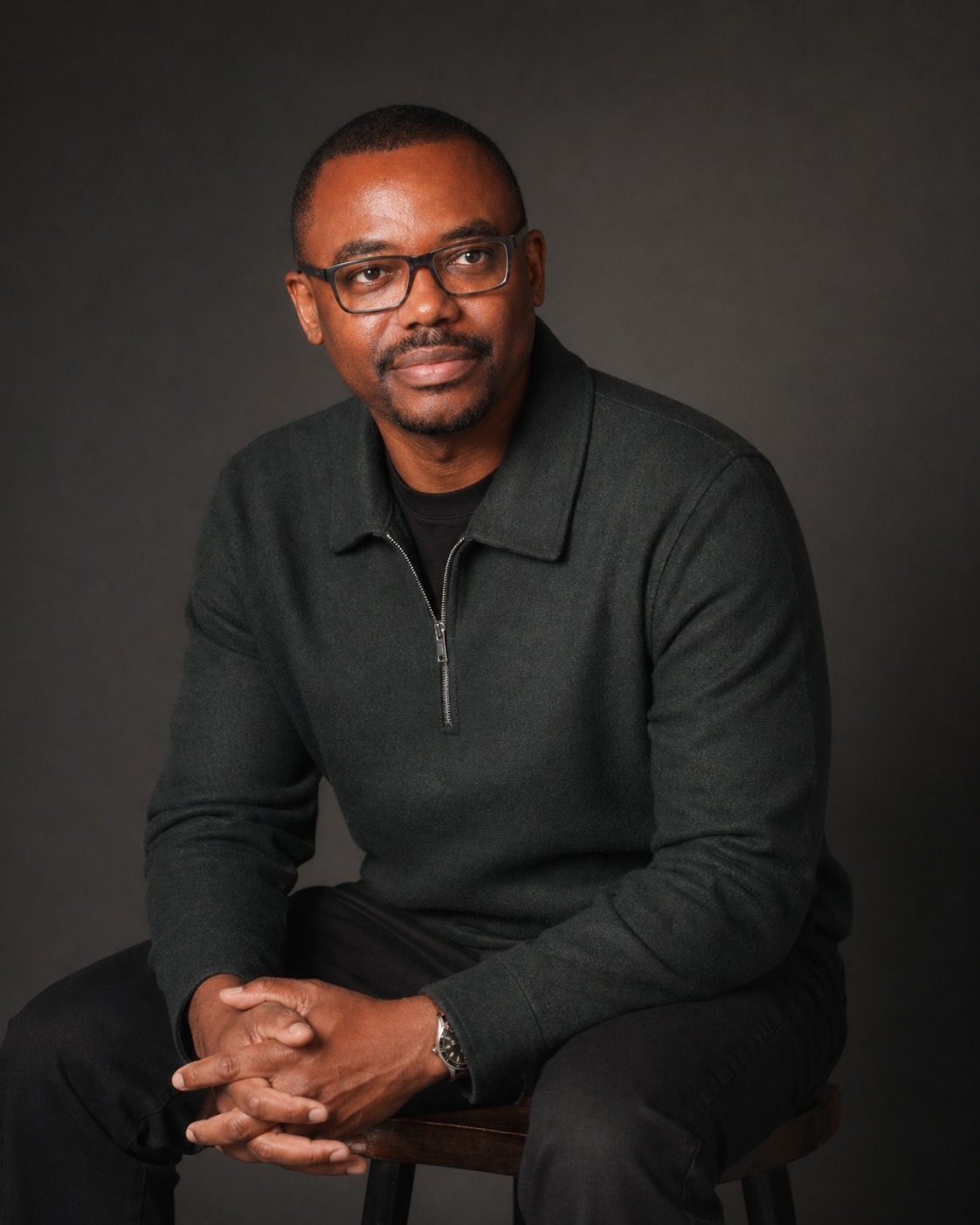
Dr Uche Okere
Dr Uche Okere is a pastor, university academic, coach and founder of Kingdom Builders AI Studio. He helps pastors, authors, speakers and faith-driven builders convert spiritual capital into visible Kingdom impact through message architecture, AI tools, workshops and practical implementation.
Explore the Studio