In this article
- 01Choose one body of work
- 02Gather material that shows the substance
- 03Add a short explanation of the context
- 04Describe the reader as you currently understand them
- 05Name your uncertainty
- 06Be clear about material that is not yours
- 07Leave room for the brief to challenge your first idea
- 08Questions about preparation
- 09Reserve your place
You do not need to arrive at a Book Brief session with a finished manuscript. You do need to give the conversation something real to work with.
The most useful preparation is a focused selection of your own material, an initial sense of the reader you want to serve and a clear statement of what you are unsure about. That is enough to begin exploring the book's direction without pretending that every decision has already been made.
A Book Brief should help you see the proposed book more clearly. It is not the same as a finished manuscript, and preparation should reflect that purpose.
In brief
- Choose one project to explore.
- Bring representative material rather than an unexplained archive.
- Identify the decisions you want the session to help you make.
01Choose one body of work
If you have several possible books, choose one for the session. That may be a teaching series, a recurring question you address in coaching, an unfinished manuscript or a framework you have developed through your work.
The choice does not need to be permanent. It simply gives the session a focus. Trying to assess three unrelated books at once can prevent any of them from becoming clear enough to develop.
If selection itself is your main difficulty, use the guide to choosing a sermon series for your first book. Compare reader need, the central conviction and the material you actually have.
02Gather material that shows the substance
A title tells us the subject. Source material shows what you actually say about it.
Useful preparation might include a substantial teaching passage, sermon notes that explain your argument, a transcript, an existing chapter or a framework accompanied by examples. Follow the current session page's instructions for supported formats and submission requirements.
Choose material that represents the proposed book. A polished introduction may demonstrate your voice but reveal very little about the argument. A passage that explains a central distinction can be more useful.
Keep the original files. If you prepare an edited extract, label it clearly so you can return to the source when needed.
03Add a short explanation of the context
Material is easier to understand when you explain what it is.
A few sentences may be enough: “These notes come from a series for new believers. The central concern is how identity in Christ shapes everyday decisions. I want to develop a short book for people who understand Christian language but struggle to connect it with daily practice.”
That explanation gives the material a purpose. It also helps distinguish what belongs to the original setting from what may need to change for a book.
Avoid presenting an aspiration as a proven outcome. “I hope the book helps readers…” is appropriate when you are still developing the promise. You do not need to claim that a method has transformed thousands of people to justify working on it.
04Describe the reader as you currently understand them
Write a short description of the person who might need the book.
What are they trying to understand? Where do they feel stuck? What have they already encountered? What would make the teaching useful to them?
You may discover that the proposed reader is too broad or that your material serves a different person more effectively. That is a valuable result. A brief should help you make better decisions rather than merely repeat your first assumptions in more polished language.
For example, “Christian leaders” may be a starting category. “New volunteer team leaders learning how to address missed commitments without damaging relationships” provides much more direction.
05Name your uncertainty
Bring the question you have been avoiding.
Perhaps you do not know whether the material is large enough for a book. Perhaps you can teach the subject fluently but cannot see the chapter sequence. Perhaps you are concerned that a broad theme will become a collection of disconnected reflections.
Write that concern plainly. It is easier to help with “I have six talks that repeat the same introduction” than “I need my book to be impactful”.
If your main concern is quantity, how many sermons do you need to write a book? will help you think in terms of distinct ideas and missing explanations rather than counting files.
06Be clear about material that is not yours
Your folder may contain quotations, notes from other people's teaching or personal information shared in confidence. Do not treat everything in the folder as your original material.
For session preparation, select material you are entitled to share. Clearly identify quotations and borrowed frameworks. Leave out confidential pastoral or coaching details that are unnecessary to the book-planning discussion.
This is a practical preparation discipline, not an invitation to resolve every publishing permission question before you attend. It keeps the work anchored in the message you can responsibly develop.
07Leave room for the brief to challenge your first idea
A useful session may confirm your direction. It may also reveal that the proposed book is too broad, the reader needs a different starting point or the strongest material belongs in a shorter resource.
That does not diminish the message. It gives you a more workable project.
You are not attending to defend a title at all costs. You are trying to understand what the material can become and what decisions will help it serve the reader well.
Key takeaways: Bring substance, context and an honest question. Focus on one project. Treat the brief as a working direction that still requires your judgment.
08Questions about preparation
Do I need a finished outline?
No. An outline can help if you have one, but uncertainty about structure is a reasonable reason to attend.
Can I bring an unfinished manuscript?
Yes, as a basis for exploring direction. A Book Brief session is not a promise of a full manuscript edit.
What if I only have an idea?
Describe it honestly and bring whatever supporting material exists. Do not assume an idea alone supplies enough substance for immediate drafting.
09Reserve your place
Visit the free Live Book Brief page for the current session and preparation instructions. Choose the project you want to explore, gather a representative selection and come ready to make the book clearer.
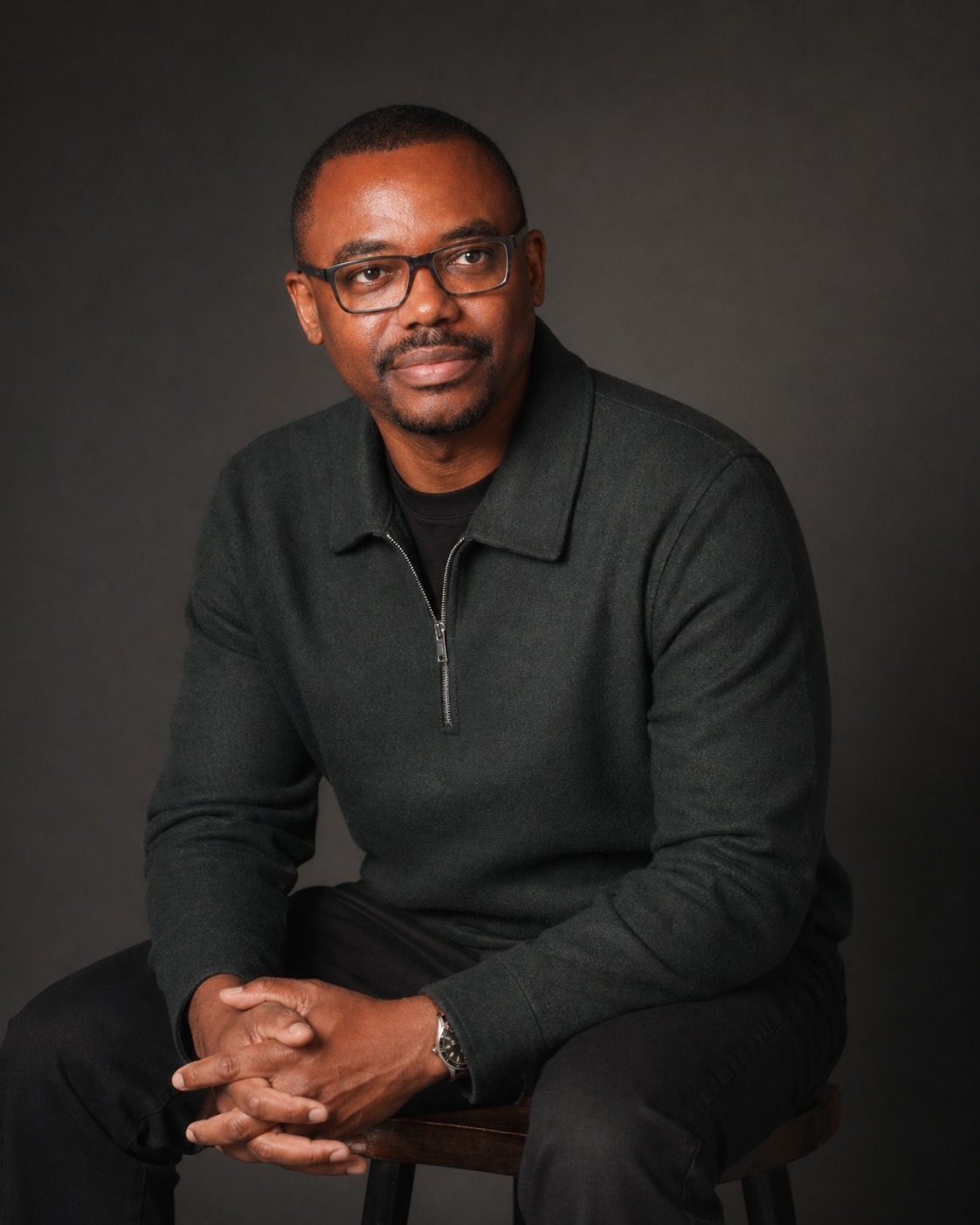
Dr Uche Okere
Dr Uche Okere is a pastor, university academic, coach and founder of Kingdom Builders AI Studio. He helps pastors, authors, speakers and faith-driven builders convert spiritual capital into visible Kingdom impact through message architecture, AI tools, workshops and practical implementation.
Explore the Studio