TL;DR
- Build the chapter around a reader's question.
- Edit the spoken delivery without changing the teaching.
- Keep a record of additions that require the author's decision.
In this article
- 01Decide what this chapter must accomplish
- 02Separate the teaching from its spoken delivery
- 03A short worked example
- 04Add the context the reader is missing
- 05Give the chapter an ending that serves the reader
- 06Compare the finished chapter with its source
- 07Questions authors ask
- 08Find the shape of your book
A sermon transcript can contain the substance of a good chapter while still being difficult to read. The words were spoken to people who could hear your emphasis, recognise the context and respond while you taught. A reader has none of those advantages. That is the work I want you to pay attention to: helping someone who was never in the room understand what you meant.
To turn a sermon transcript into a book chapter, identify its central argument, select the material that develops that argument, remove spoken repetition and add the explanations a reader needs. Then compare the chapter with the source to check that the meaning has survived.
In brief
- Build the chapter around a reader's question.
- Edit the spoken delivery without changing the teaching.
- Keep a record of additions that require the author's decision.
01Decide what this chapter must accomplish
Before correcting sentences, finish this statement: “By the end of this chapter, the reader should understand…”
Suppose your sermon explores belonging to a local church. “The reader should understand church” is too broad to guide an edit. “The reader should understand why belonging involves participation rather than attendance alone” gives you something to work with.
That decision helps you assess each paragraph. An explanation of mutual responsibility may belong. A lengthy announcement about next month's church meal probably does not. An illustration about being known by others may be helpful, but only if its relevance is made clear.
This chapter-level decision sits inside the wider book plan. If you have not yet established that plan, start with the wider process of turning sermons into a book. You need to know where the chapter is going before deciding how much work it must do.
02Separate the teaching from its spoken delivery
Read the transcript once with four questions in mind:
- What is the main claim?
- What explains or supports it?
- Which examples help the reader understand it?
- What belongs to the original occasion rather than the argument?
“Are you with me?” may have helped you reconnect with the congregation. On the page, it can interrupt an explanation that is already clear. “As we saw last Sunday” needs either a brief explanation or a reference to the relevant earlier chapter.
Be careful with repetition. Some repeated phrases carry emphasis; others simply gave listeners time to absorb the point. Preserve a phrase when it earns its place. Remove repetition when it makes the reader travel over ground they have already covered.
03A short worked example
The following passage is an illustration created for this article, not a quotation from one of my sermons.
Spoken-style passage
“Now, belonging. We need to talk about belonging. You can be in the room every Sunday, you know, and still be standing outside the life of the church. I don't mean physically outside. You're here. But are you known? Are you serving? Are you letting anybody speak into your life? That's what I'm asking.”
Possible chapter version
“Regular attendance can coexist with distance from the life of a congregation. A person may be present each Sunday while remaining unknown, uninvolved and unwilling to receive care or correction. Belonging involves a deeper participation: becoming known, contributing to the body's life and allowing others to help us grow.”
The revision removes the spoken restart, clarifies the image of standing outside and connects the questions into an argument. It does not add a dramatic testimony, a numerical claim or a new doctrine.
It is also only one possible edit. If the direct questions are important to the author's voice, a different version could retain them after the explanation. Faithfulness does not require preserving every hesitation, and readability does not require making every author sound alike.
04Add the context the reader is missing
A congregation may already know the person in an illustration, the previous teaching or the local situation. A book reader needs enough explanation to follow the point without being buried in background.
Make these additions visibly during drafting. A note such as “Author to explain why this distinction matters” is safer than allowing an editor or AI tool to invent the explanation. When the author supplies it, the note can become prose.
The same applies to Scripture. A transcript may contain an incomplete reference or a paraphrase. Check the passage itself. Distinguish what the biblical text says from the application you are drawing from it. An attractive paragraph is not a substitute for that work.
05Give the chapter an ending that serves the reader
A sermon may finish with an invitation shaped by the gathering. A chapter needs an ending appropriate to its purpose.
For our illustrative chapter on belonging, you might invite the reader to consider where they are known, how they contribute and whether they are willing to receive pastoral care. Those questions follow from the argument. They do not need to become a generic list of ten action steps.
Read the ending beside the opening. Has the chapter answered the question it raised? If not, another summary paragraph is unlikely to fix the missing explanation.
06Compare the finished chapter with its source
Keep the original transcript. Read it alongside the revised chapter and check for changed emphasis, missing qualifications and newly introduced claims. Give particular attention to personal stories and theological conclusions.
Our guide to fact-checking AI-assisted Christian book content provides a fuller review process. Even when AI has helped organise the material, the author remains responsible for the final chapter.
Key takeaways: Decide the chapter's job before polishing its sentences. Supply context without inventing facts. Review the edited meaning against the original teaching.
07Questions authors ask
Does one sermon have to become one chapter?
No. A sermon may contribute to several chapters, and one chapter may draw on several sermons. The book's argument should determine the arrangement.
Should I remove every conversational phrase?
No. Keep language that carries your voice and helps the reader. Remove habits that make sense only in the live delivery.
Can AI do the first conversion?
It can assist with a draft, but the result needs comparison with your source and your own editorial judgment.
08Find the shape of your book
If you have material but cannot yet see how the chapters fit together, begin with the book's overall direction. Join the free Live Book Brief session to work on the reader, central message and shape of the book you want to build.
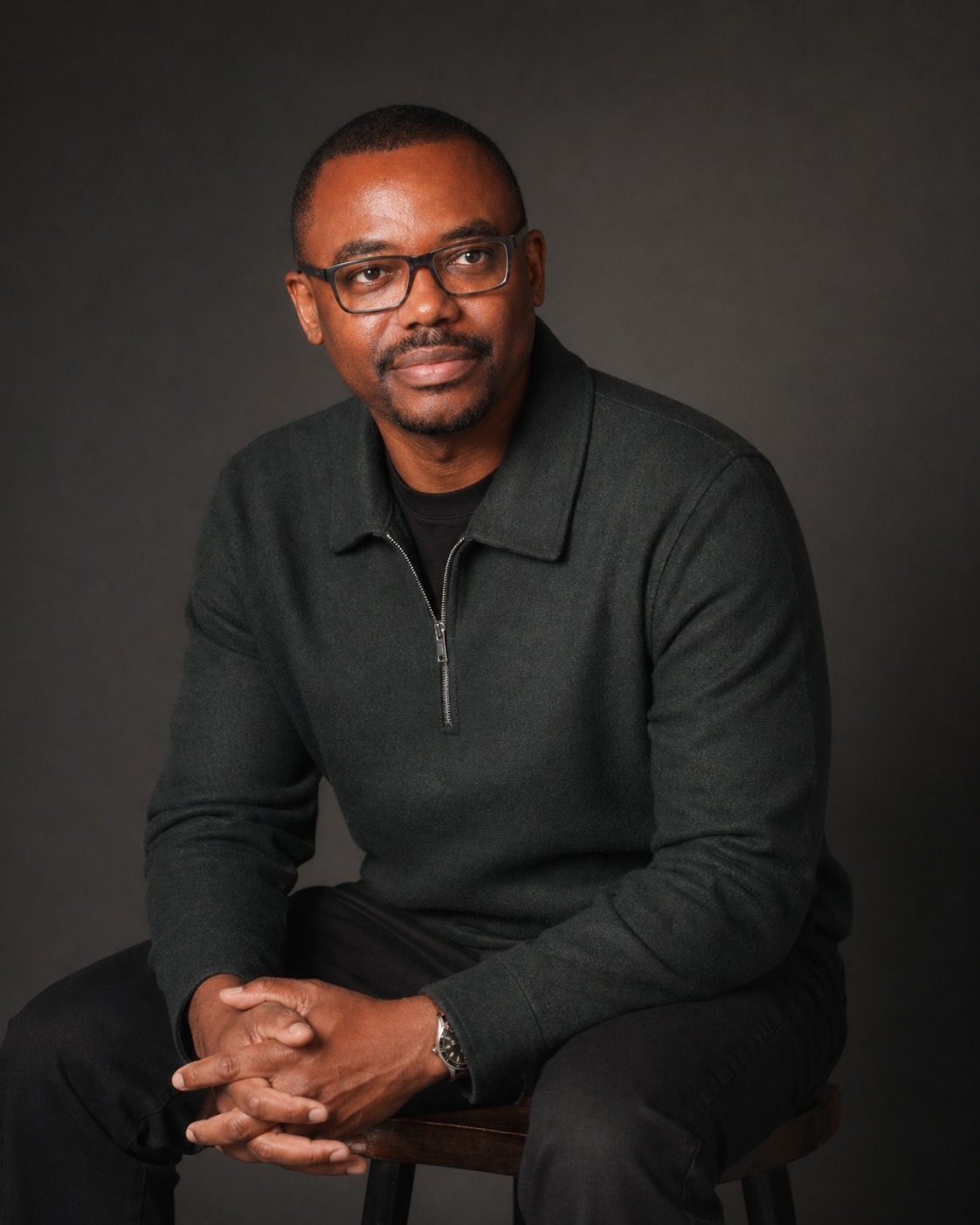
Dr Uche Okere
Dr Uche Okere is a pastor, university academic, coach and founder of Kingdom Builders AI Studio. He helps pastors, authors, speakers and faith-driven builders convert spiritual capital into visible Kingdom impact through message architecture, AI tools, workshops and practical implementation.
Explore the Studio